


Hidden places in Curaçao reveal a side of the island that many travelers never experience. Beyond the popular resorts and the best beaches in Curaçao, there are quiet stretches of coast, hidden coves, and peaceful corners shaped by nature and time. These areas feel far removed from busy tourist zones, offering space, silence, and authenticity.
From remote beaches protected by rocky shores to calm waters ideal for slow exploration, these secret spots reward travelers who look deeper. If you enjoy meaningful travel and discovering places that feel untouched, exploring Curaçao’s lesser-known parts will completely change how you see the island.
Why Explore Hidden Places in Curaçao?
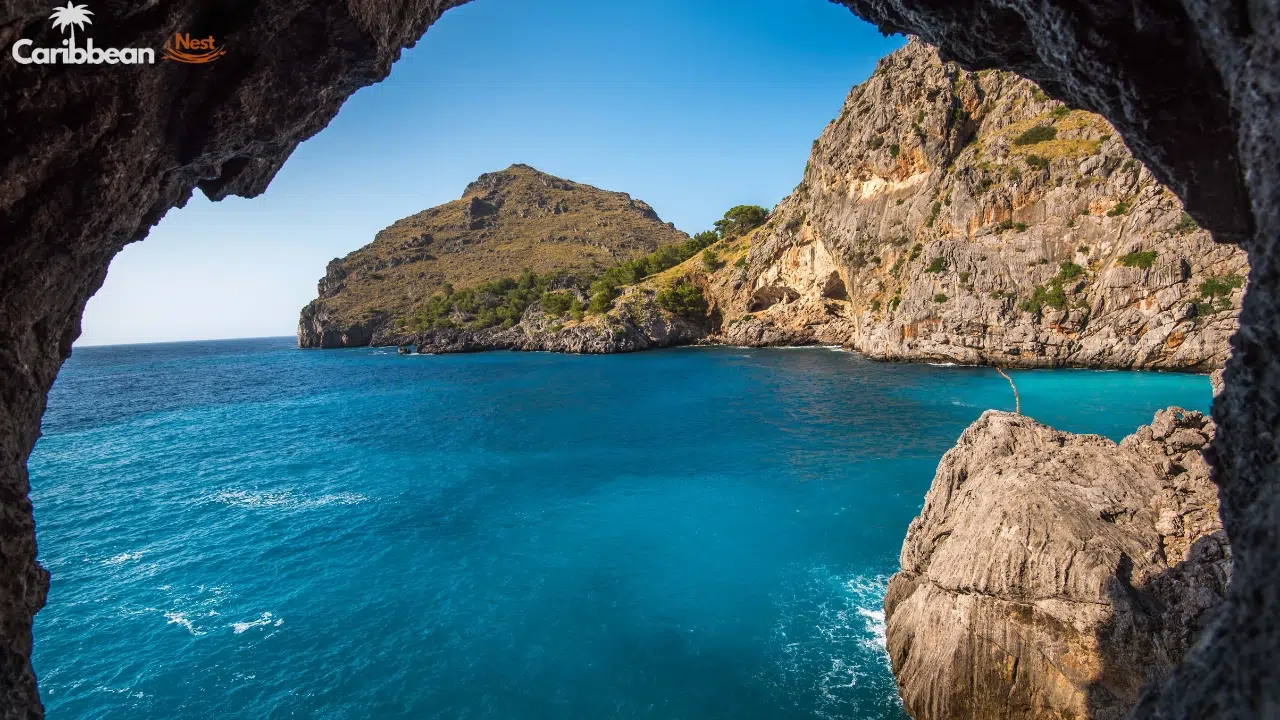
Curaçao is a Dutch Caribbean island that blends European history with Caribbean soul. While it’s often grouped with the ABC islands, Curaçao stands out for its dramatic landscapes. You’ll find white-sand beaches, rugged coastlines, salt flats, and towering limestone cliffs—sometimes all within a short drive.
Exploring hidden places in Curaçao lets you experience the island as it truly is. Away from resorts and cruise crowds, daily life slows down. Locals gather at quiet beaches after work. Fishermen launch boats at sunrise. The island feels lived-in, not staged. Many travelers say these quieter moments become the highlight of their trip, far more memorable than any organized tour.
Secret Beaches in Curaçao (Away from Crowds)
Curaçao is famous for having some of the best beaches in Curaçao, but the most peaceful ones rarely appear on “top 10” lists. Along the western side of the island, you’ll find secluded beaches and remote beaches that feel almost private. These beaches are often tucked into hidden and private coves, protected from strong winds and heavy waves.
What makes these places special isn’t luxury—it’s space. No loud music. No long rows of loungers. Just crystal-clear water, open sand, and time to breathe. Beach-hopping here feels relaxed instead of rushed. You can visit multiple coves in one afternoon, each with its own character. Many travelers describe these beaches as a quiet, secluded gem away from the crowds, and that description fits perfectly.
Hidden Coves and Natural Pools
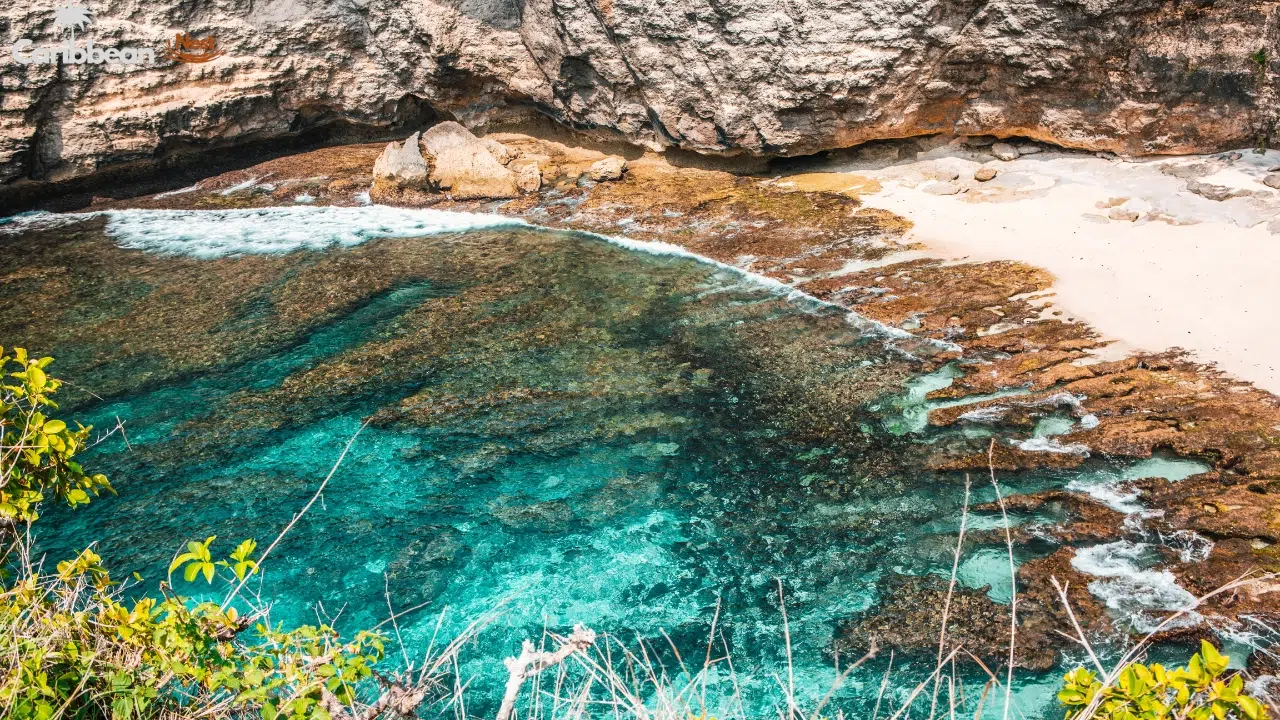
The northern coast of Curaçao tells a completely different story. Here, the island feels raw and powerful. Waves crash against the rocks, carving hidden coves and natural pools over the centuries. These private coves are shaped by constant motion, and they feel wild even on calm days.
The geology plays a major role. Curaçao’s limestone cliffs create basins that trap seawater during certain tide conditions. When the ocean is calm, these pools can be peaceful and reflective. When it’s rough, they’re best admired from above. Locals understand the rhythms of these spots, and visitors should always observe conditions. Even without swimming, these natural formations offer one of the most striking views on the island.
Off-the-Beaten-Path Snorkeling Spots
Curaçao is widely recognized as one of the top scuba diving destinations in the Caribbean, but you don’t need a boat or certification to enjoy its underwater world. One of the island’s biggest advantages is the reef system’s accessibility. Many snorkeling sites begin just steps from shore.
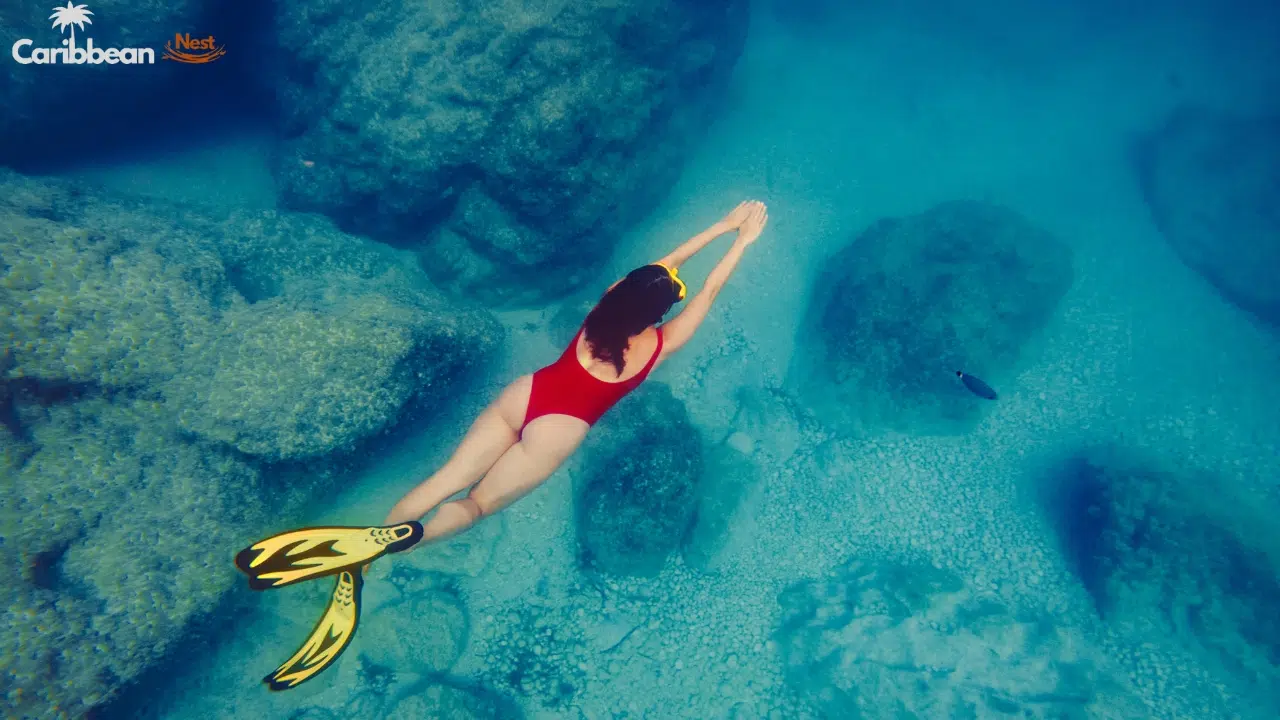
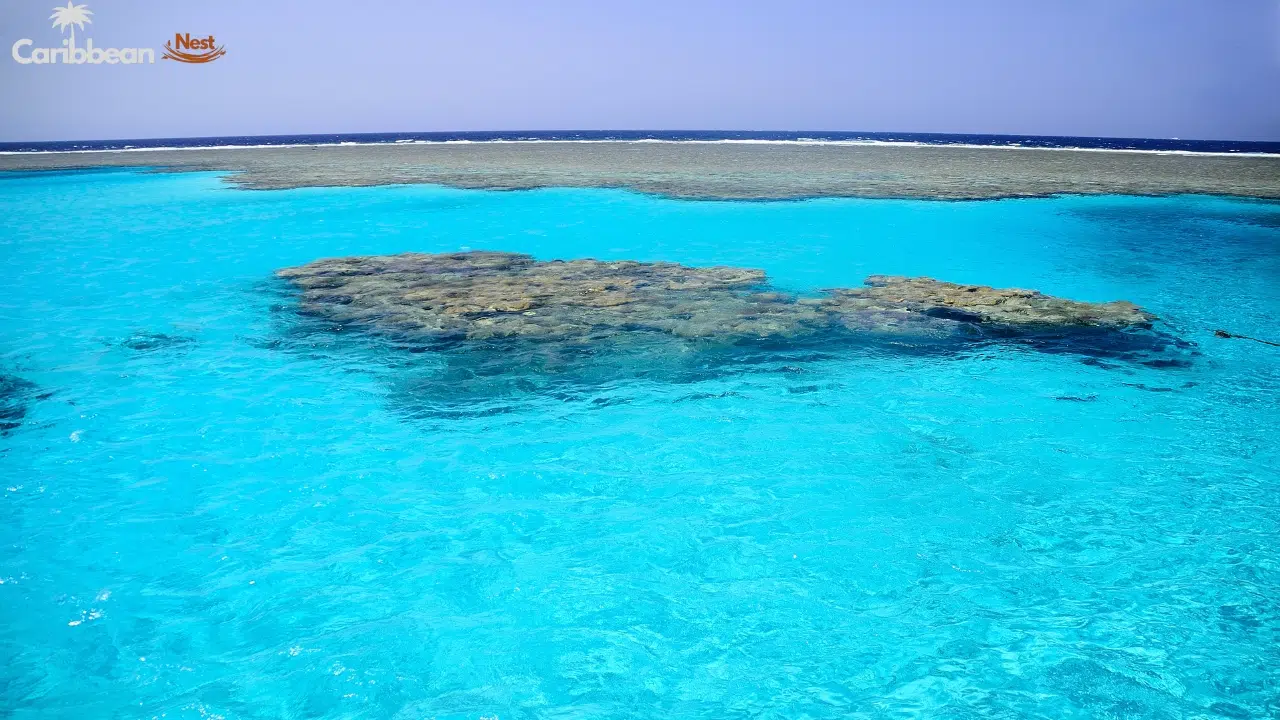
With basic snorkeling gear, you can experience wade-in snorkeling in calm bays where coral and fish appear almost immediately. Water clarity is exceptional, often reaching 100 feet or more, especially on the western coast. You’ll see colorful reef fish, rays, and sea turtles moving effortlessly through the water.
Some locations even allow a gentle shore dive near an underwater shipwreck, where coral has reclaimed old structures. These sites offer a unique connection between history and marine life, showcasing why the Caribbean’s coral reefs are so vital and fragile.
Underrated Villages and Coastal Areas
While beaches often steal the spotlight, Curaçao’s villages reveal the island’s heart. Small coastal communities move at a slower pace. Houses are brightly painted but weathered by sun and salt. Neighbors greet each other without hurry. Life unfolds naturally.
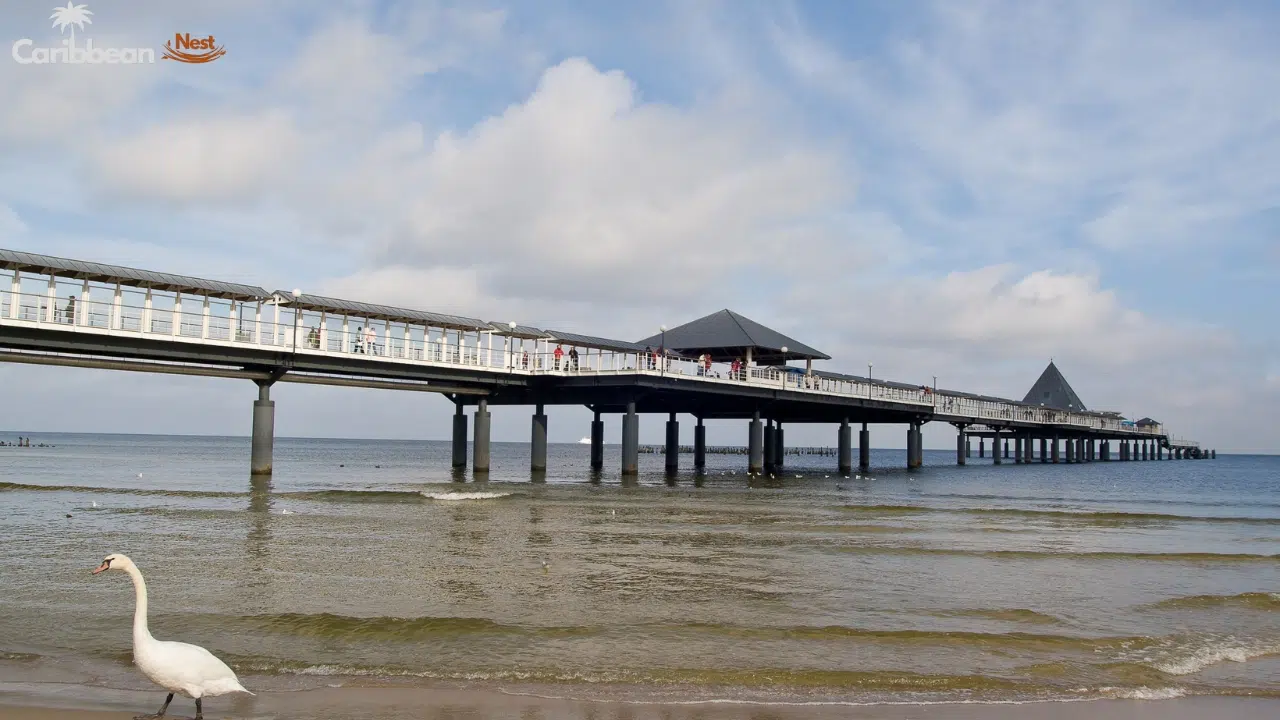
Near Willemstad (capital), you’ll see vibrant streets, historic buildings, and the famous floating Queen Emma Bridge connecting the city’s two sides. It’s lively, colorful, and full of energy. But drive just a little beyond the town, and things quiet down quickly. Underrated villages and coastal areas show a side of Curaçao untouched by mass tourism, offering a deeper cultural connection for curious travelers.
Best Time to Visit Curaçao’s Hidden Spots
One reason Curaçao is so appealing is its climate. The island lies outside the hurricane belt and enjoys warm, dry weather most of the year. That said, timing still matters when exploring hidden places in Curaçao.
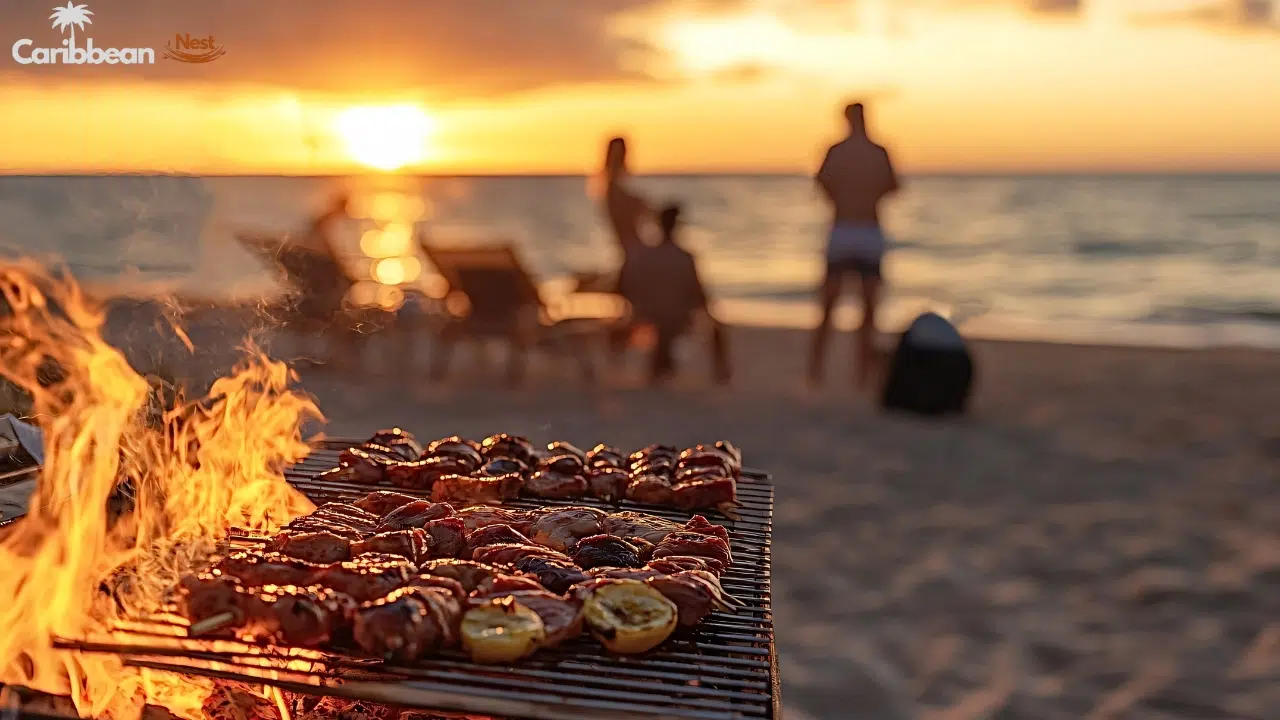
Early mornings are ideal. Winds are lighter, temperatures are cooler, and popular spots are nearly empty. Late afternoons also work well, especially when locals gather after work, and the light turns golden. For excursions like Klein Curaçao (Little Curaçao), calm sea conditions are essential. This uninhabited island day trip often includes snorkeling, exploring shipwrecks, and enjoying a relaxed BBQ lunch on the beach, best experienced on days with minimal wind.
How to Reach Curaçao’s Hidden Places Safely?
Accessing Curaçao’s quieter areas requires independence. To explore hidden places in Curaçao, it’s best to rent a car. Public transportation doesn’t reach many off-the-beaten-path locations, and taxis can become costly for long distances.

Roads are generally well-maintained, but signage fades in remote areas. Always double-check GPS coordinates before heading out. Download offline maps, fill your fuel tank early, and carry water. These small preparations make exploring safe and stress-free, especially when visiting isolated beaches or coves.
| Item | Why It Matters |
| Car rental | Essential for remote areas |
| Offline maps | Helpful where signals drop |
| Sun protection | Limited shade outside resorts |
| Water & snacks | Few facilities nearby |
Travel Tips for Exploring Hidden Curaçao
Preserving these places starts with respect. Stay on marked paths. Avoid stepping on coral. Take all trash with you. These simple habits help protect the environment and keep these locations pristine for future visitors.
Curaçao also offers a wide range of water activities beyond snorkeling. Calm bays are perfect for stand-up paddleboarding (SUP). Windy areas attract travelers interested in kite surfing lessons. Lagoons offer guided jet ski tours, hydrofoil board rides, underwater scooter (scuba scooter) rentals, or a scenic 1-hour waterbike tour. Choose activities that suit your comfort level and respect local guidelines.
Conclusion
Exploring hidden places in Curaçao transforms your experience of the island. You stop chasing famous names and start noticing details. The sound of wind through cliffs. The rhythm of waves in a quiet cove. A conversation with a local you never planned to meet.
These places don’t compete for attention. They simply wait. And long after your trip ends, they’re the moments you’ll remember most.
Frequently Asked Questions
1) Where to avoid in Curaçao?
Avoid poorly lit areas late at night, especially deserted streets in Otrobanda and Scharloo. Stick to well-populated areas and don’t leave valuables in parked cars.
2) What is the prettiest beach in Curaçao?
Many travelers consider Playa Kenepa (Grote Knip) the prettiest, thanks to its dramatic cliffs and bright turquoise water.
3) Can you walk to a beach from the cruise port in Curaçao?
Yes. From the cruise port in Willemstad, you can walk to Mambo Beach in about 30–40 minutes, or take a short taxi ride.
4) Which Curaçao beach has the clearest water?
Tugboat Beach is known for exceptionally clear water, often with visibility reaching snorkeling depths right from shore.
5) What is illegal in Curaçao for tourists?
It’s illegal to remove coral or shells, disturb marine life, use drones without permission, or possess drugs—even small amounts can lead to serious penalties.


