


Many travelers ask this question before planning a tropical trip. The Bahamas welcomes millions of visitors each year, yet concerns about drinking water safety persist in travel forums and guides. The islands rely on unique systems such as desalinated seawater, the Bahamas, and rainwater harvesting, which shape the overall tap water quality.
In major tourist areas like Nassau, authorities maintain treatment facilities and monitoring programs to provide safe drinking water in the Bahamas. However, conditions may differ between urban centers and smaller islands due to local infrastructure. Understanding the water supply in the Bahamas helps travelers make informed choices and enjoy their vacation without worrying about water safety.
Is Tap Water Safe to Drink in the Bahamas?
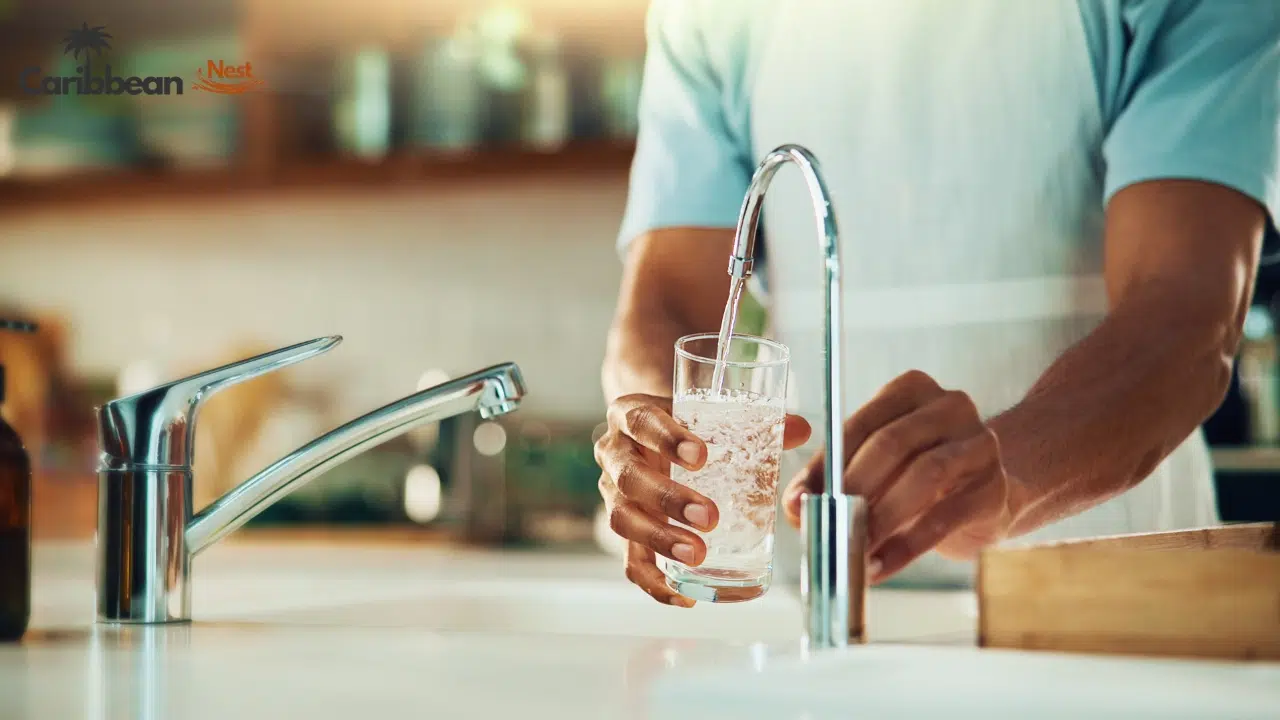
Many visitors wonder if you can drink tap water in the Bahamas without risk. In major tourist areas, authorities maintain the quality of the Bahamas’ tap water through treatment systems and inspections. Cities often rely on modern Bahamas water treatment plants and strong Bahamas public health water policies.
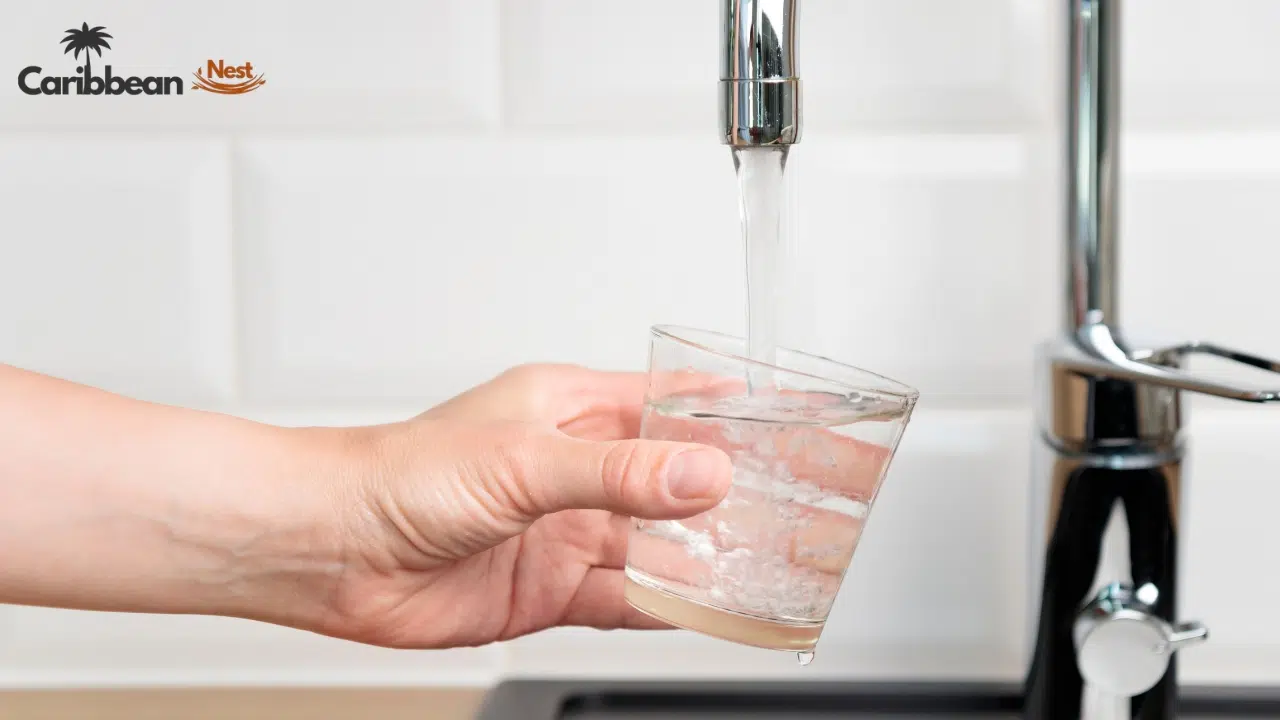
However, conditions vary between islands. Some remote communities in the Bahamas face challenges with rural water quality. Old pipes and aging water infrastructure may affect taste and water quality. These issues do not always mean the water is dangerous. Yet travelers often choose bottled water in the Bahamas for peace of mind.
Why Travelers Often Question Tap Water Safety?
Travelers sometimes react differently to water in new destinations. Even clean water can contain minerals unfamiliar to visitors. Exposure to bacteria and viruses in water, protozoa contamination, or heavy metals in water sometimes leads to stomach discomfort.
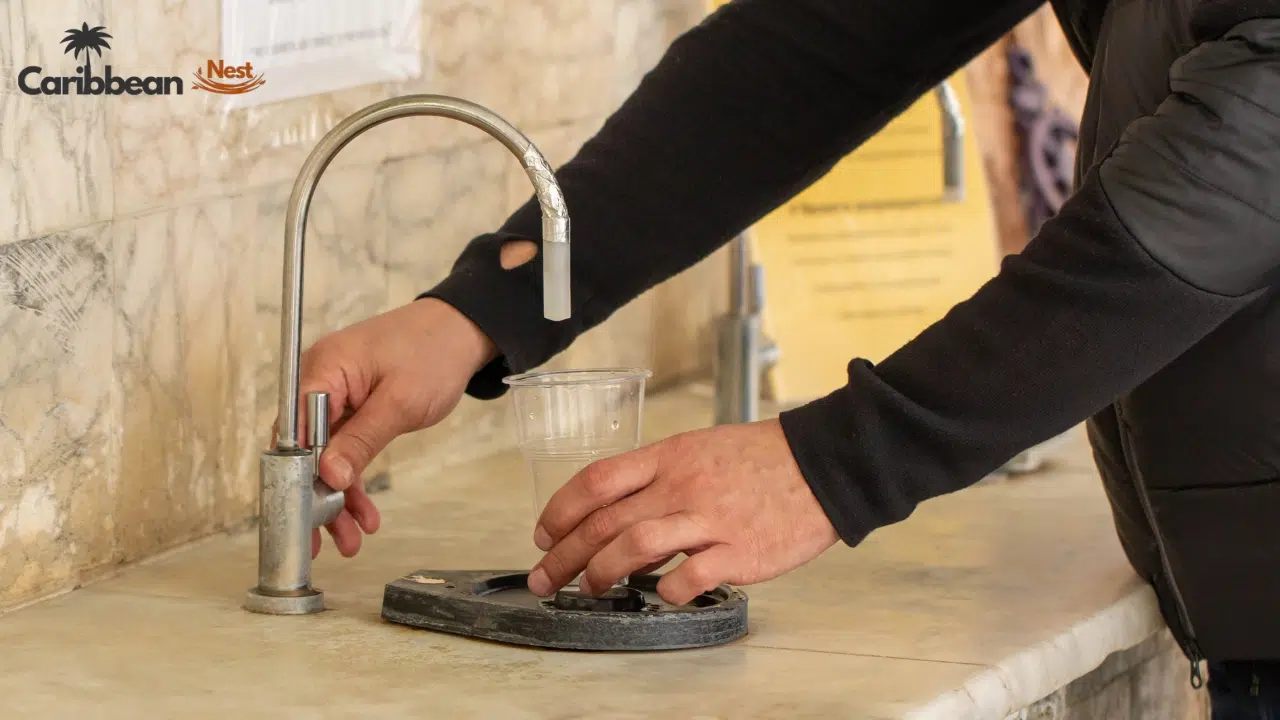
Health experts recommend basic travel health precautions. Even minor exposure can cause gastrointestinal illness in sensitive visitors. This concern explains why many guides provide strong advice on drinking water for tourists.
Where the Bahamas Gets Its Drinking Water?
Understanding the Bahamas’ drinking water sources helps explain why safety varies. The islands lack large rivers or lakes. As a result, the country depends on innovative solutions. These include rainwater harvesting systems in the Bahamas and advanced desalination technology.
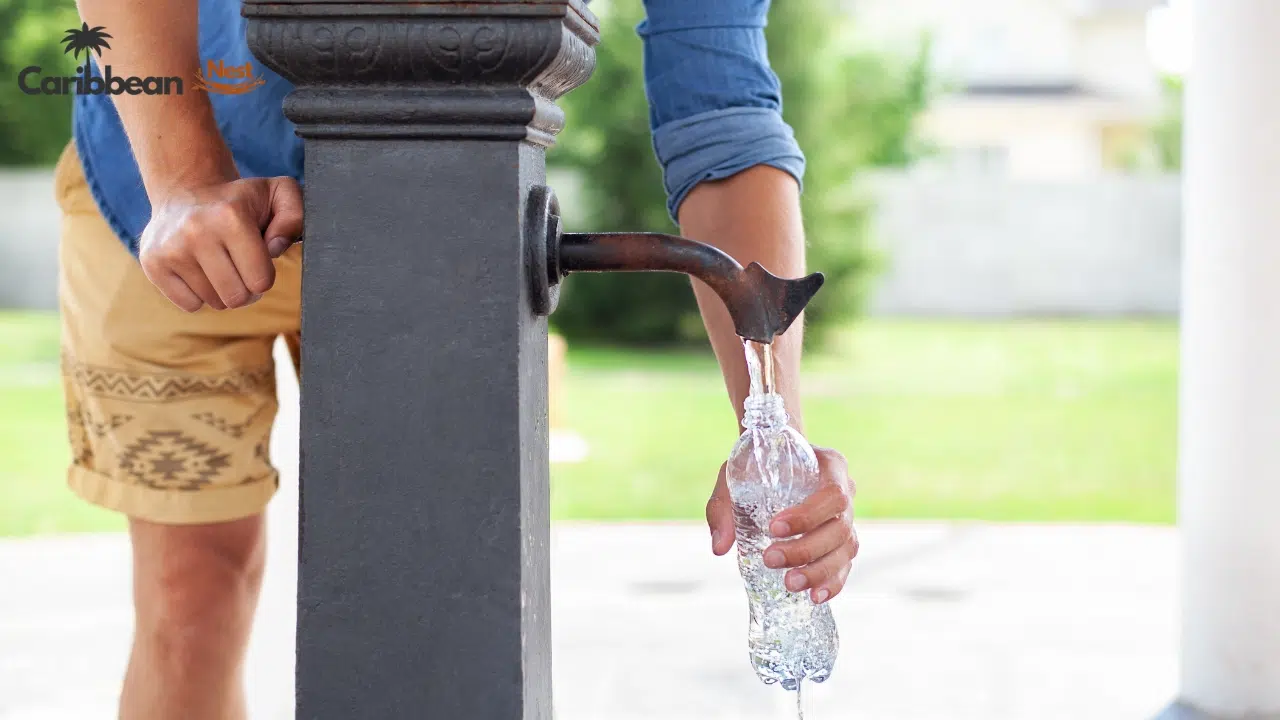
Both systems support the national water supply in the Bahamas. The government also invests heavily in the Bahamas’ water-monitoring programs. These programs track contaminants and improve potable water in the Bahamas to meet standards.
Rainwater Harvesting Systems
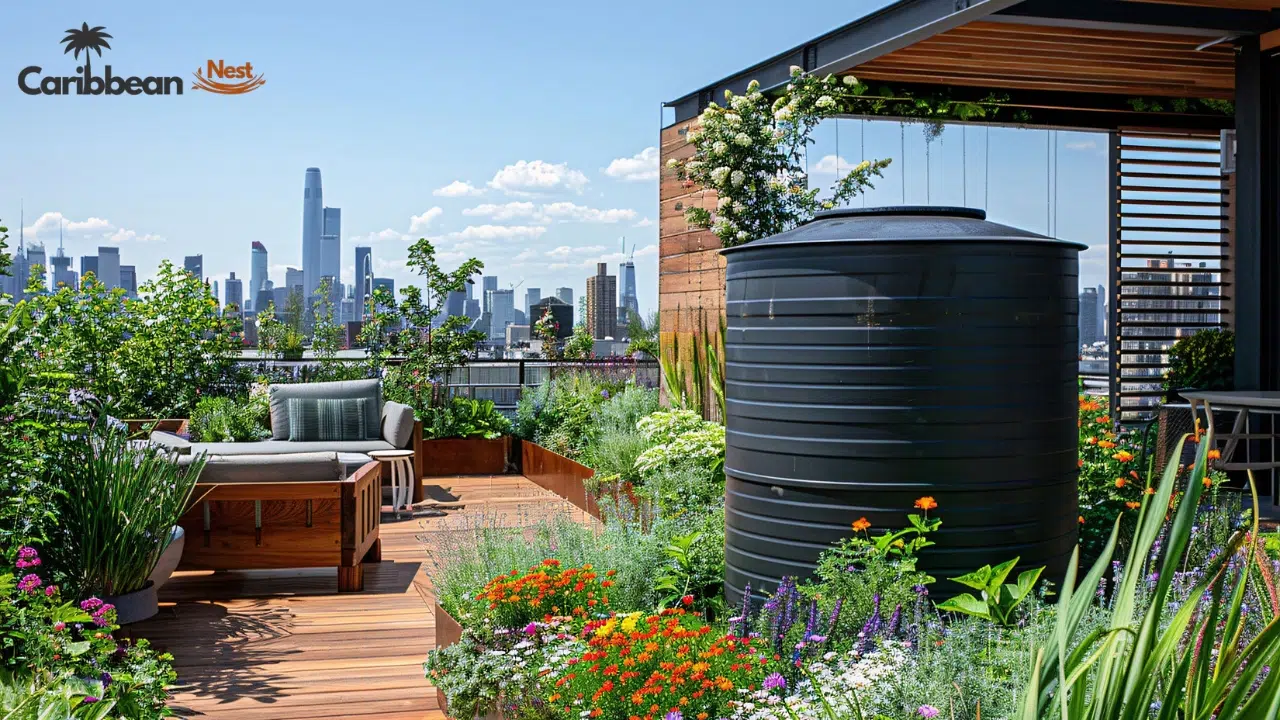
Many homes collect rainwater from rooftops. The water flows into storage tanks called rainwater cisterns. This method has existed for generations across the islands.
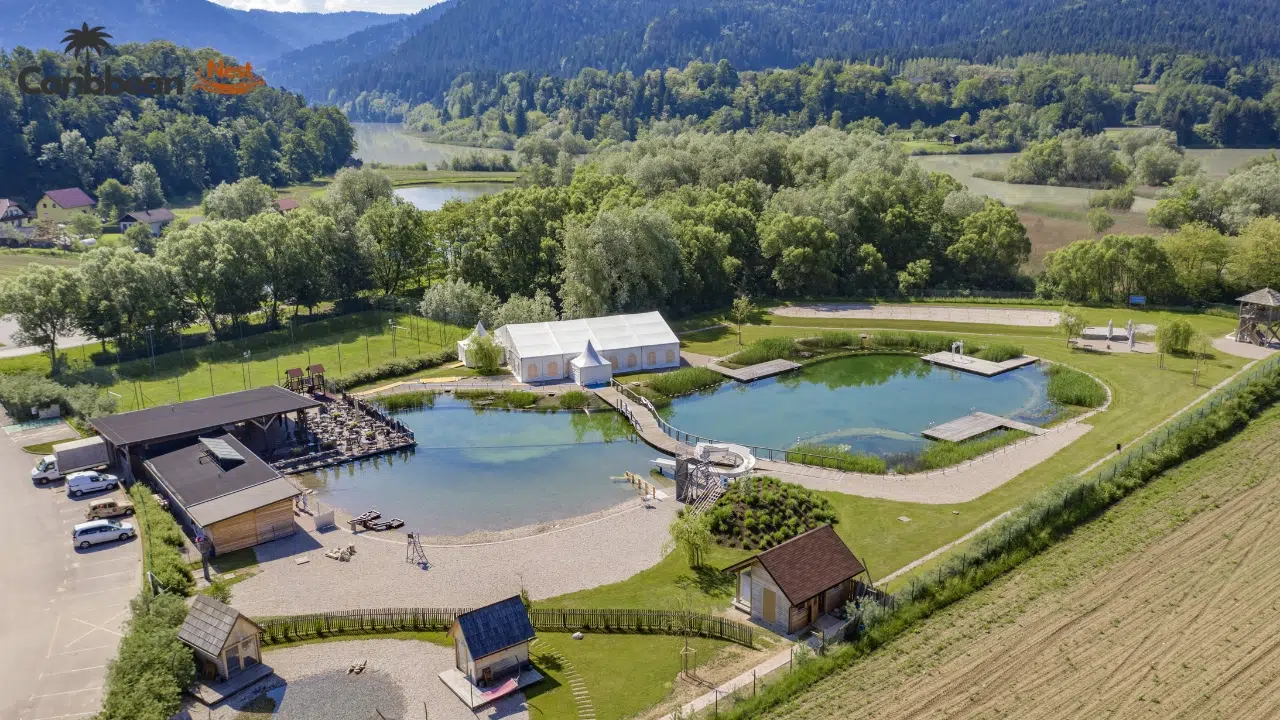
Clean storage matters greatly. Poor maintenance may allow microbial contaminants, bacteria, and viruses in water to develop. Proper filtration and storage improve safe water for travelers and residents.
Desalination Plants
Large islands rely on desalination plants. These facilities convert seawater into drinking water through advanced filtration systems.
This process removes salt and impurities using modern desalination technology. Many urban areas, therefore, achieve strong Caribbean tap water safety standards through controlled treatment.
Tap Water Quality in Nassau and Major Islands
The capital city has some of the most reliable systems. Nassau tap water safety improves thanks to modern Bahamas water treatment plants and frequent water quality testing.
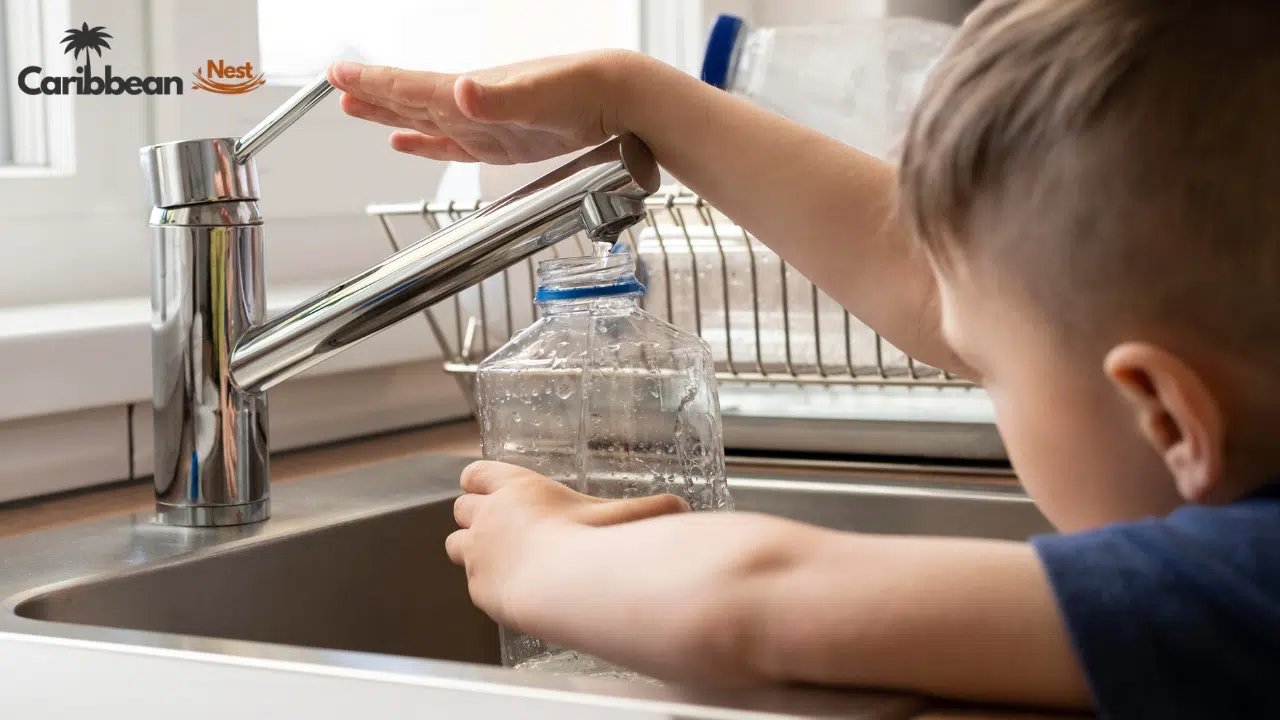
Authorities also maintain government water monitoring programs. These programs check for lead, mercury, arsenic, bacteria levels, and chemical pollution. These efforts support strong Bahamas tap water quality in tourism hubs.
Urban vs Rural Water Quality
Urban areas benefit from advanced infrastructure and regular inspections. In contrast, rural water quality in the Bahamas depends more heavily on local storage systems.
Smaller islands may rely on rainwater cisterns or smaller filtration setups. Because of this, overall water safety for tourists can vary by location.
| Area | Water Source | Safety Level |
| Nassau / Major Cities | Desalinated Water | High |
| Resorts & Hotels | Treated Water Systems | High |
| Small Islands | Rainwater Storage | Moderate |
| Rural Communities | Mixed Systems | Variable |
Is Hotel Tap Water Safe for Tourists?
Hotels often follow international safety guidelines. Many resorts filter water before guests use it. This helps maintain safe drinking water to the Bahamas’ standards in tourist accommodations.
Large resorts sometimes install their own purification systems. These systems filter microbial contaminants and remove heavy metals in water. Guests may still prefer bottled or filtered water for drinking.
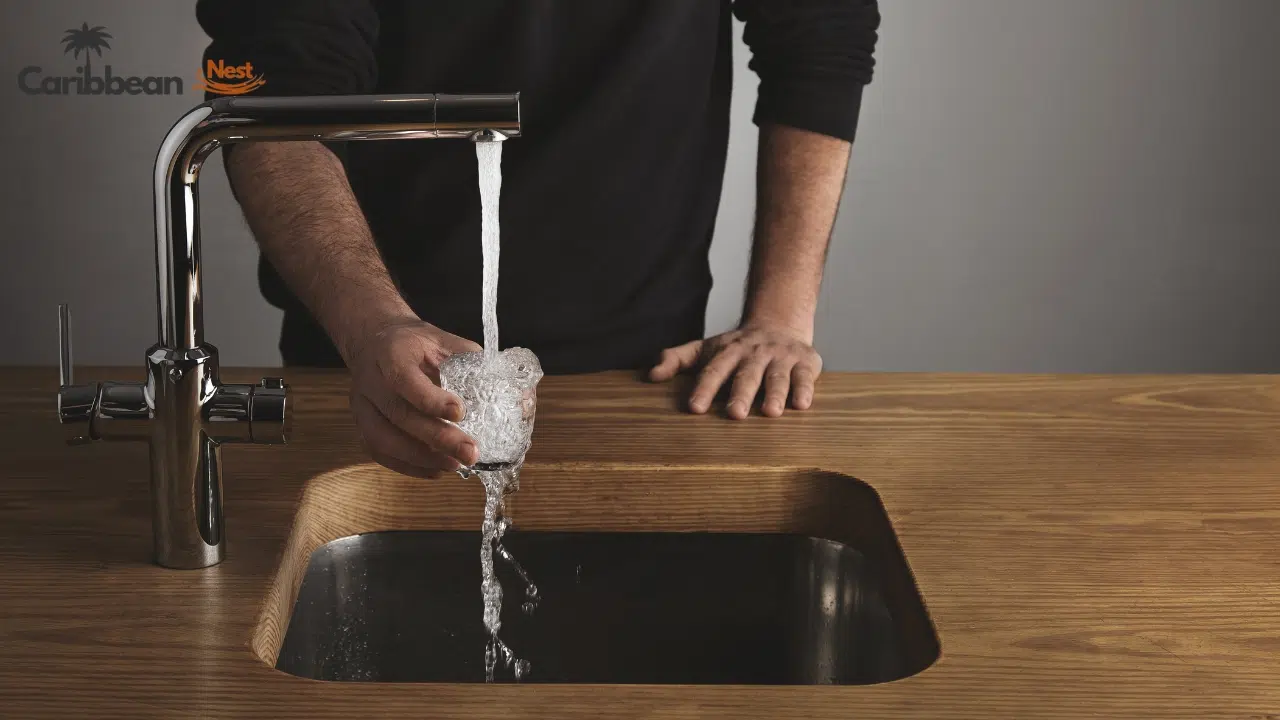
Resorts vs Small Guesthouses
Luxury resorts usually maintain modern filtration equipment. Smaller guesthouses in the Bahamas sometimes rely on rainwater-harvesting systems.
Because of these differences, travelers should ask simple questions. For example, ask whether drinks contain ice made from treated water. These small checks improve water safety for tourists.
Do Locals Drink Tap Water in the Bahamas?
Many residents drink tap water daily without concern. They are accustomed to local minerals and taste variations. Over time, locals adapt to their drinking water sources in the Bahamas.
However, some households prefer filtration. Many families install filters or buy bottled water, Bahamas travel supplies. These habits vary depending on the quality of tap water in the Bahamas.
Local Perspective on Water Safety
Residents often trust the local system. They rely on regular water-quality testing conducted by authorities.
Still, some areas are concerned about industrial chemical contamination or agricultural runoff. These environmental risks highlight why government water monitoring remains important.
Should You Drink Bottled Water Instead?
Some travelers prefer bottled water for convenience. It removes uncertainty about Caribbean tap water safety and local mineral differences.
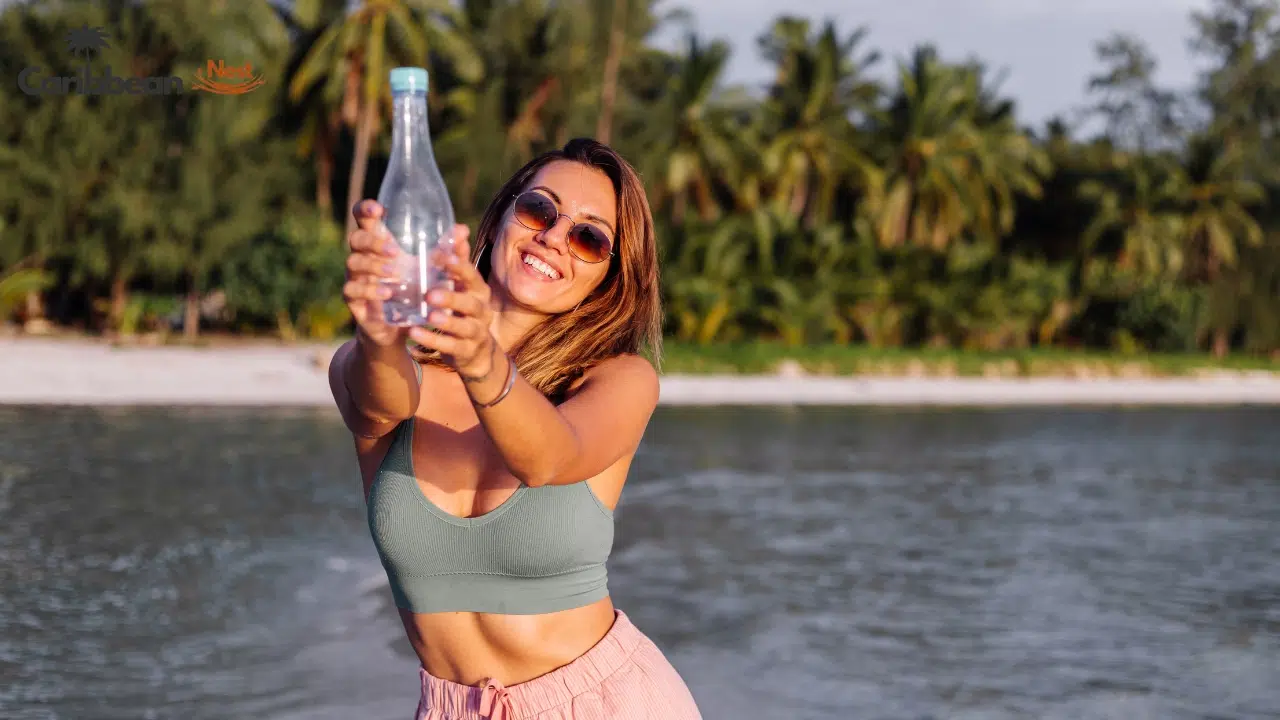
Stores and hotels sell bottled water almost everywhere. Because of this, many visitors rely on bottled water during their stay in the Bahamas.
Bottled Water vs Tap Water
| Water Type | Advantages | Considerations |
| Tap Water | Affordable and widely available | Taste may vary |
| Bottled Water | Reliable for visitors | Creates plastic waste |
| Filtered Water | Good balance of safety and sustainability | Requires equipment |
Portable filtration tools also help. Many travelers carry portable water filters when exploring remote islands.
Tips for Drinking Water Safely While Visiting
Travel experts recommend simple habits. These habits reduce risk while enjoying tropical destinations.
Many guides emphasize drinking water advice for travelers when abroad. Drinking bottled or filtered water is the easiest solution.
Smart Water Safety Tips
Visitors should follow practical safety steps during their trip. Travelers often bring portable water filters when visiting remote beaches. Another helpful habit is to confirm that drinks contain ice made from treated water. These small steps protect against waterborne diseases and improve safe water for travelers.
When You Should Avoid Tap Water?
Certain situations increase risk. Remote areas sometimes lack modern water infrastructure in the Bahamas.
Natural disasters or system failures may also affect supply. During these periods, residents rely more heavily on bottled water or purification systems.
Warning Signs of Unsafe Water
Cloudy water, unusual taste, or strange odor may signal contamination. These issues sometimes result from aging water infrastructure or damaged pipes.
Contamination can also occur from agricultural runoff pollution or industrial chemical contamination. When you notice these signs, choose bottled or filtered water immediately.
Should You Drink Tap Water in the Bahamas?
So, can you drink tap water in the Bahamas? The answer depends on the location. Major cities and resorts often provide reliable treated water.
Still, many travelers choose bottled water when traveling in the Bahamas. This habit reduces worry about unfamiliar minerals or microbial contaminants.
The best approach combines awareness with caution. Understand local drinking water sources in the Bahamas, follow smart travel health precautions, and stay informed. Doing so ensures a healthy trip while enjoying the islands’ beauty.
Quick Water Safety Overview
“Water safety depends on treatment systems, infrastructure, and monitoring programs. Travelers who stay informed can enjoy their trip without worry.” – Caribbean Public Health Guidance.
Understanding drinking water safety in the Bahamas helps travelers make smart choices. With a little awareness, you can stay hydrated and enjoy the islands safely.
Frequently Asked Questions
1) Is the Bahamas’ tap water drinkable?
Tap water in major areas like Nassau is generally treated and considered safe, though many travelers still prefer bottled or filtered water.
2) What should you be careful of in the Bahamas?
Be cautious about strong sun exposure, hurricane season weather, and drinking untreated water in remote islands or rural areas.
3) Does Nassau take US dollars?
Yes, Nassau widely accepts U.S. dollars, and the Bahamian dollar is equal in value to the U.S. dollar.
4) Can you brush your teeth with the water in the Bahamas?
In most hotels and urban areas, brushing teeth with tap water is generally safe, though some visitors prefer bottled water.
5) What month is best to avoid the Bahamas?
September is often considered the least favorable month due to the peak hurricane season and higher storm risk.


