


Planning your trip around the Aruba kiteboarding season can turn an average vacation into an unforgettable ride. Known for steady trade winds and warm turquoise water, this island stands out among the top Caribbean kite boarding destinations. You’ll find reliable breeze, easy access to beaches, and diverse kite surfing spots in Aruba for every skill level.
Whether you’re chasing strong wind months or learning the basics, timing matters. Understanding Aruba wind conditions helps you pick the right months, pack the right gear, and avoid slow days. In this guide, you’ll discover when to go, where to ride, and how to make the most of your kite boarding experience.
Best Time for Kite boarding in Aruba
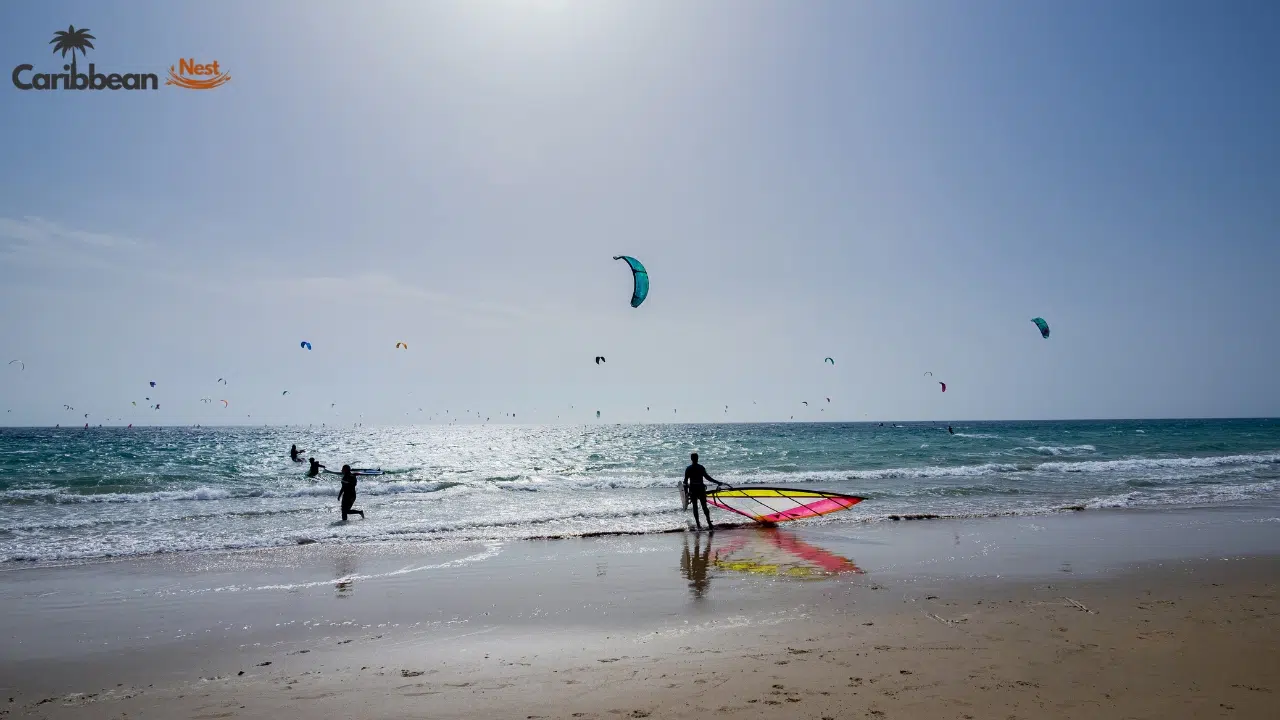
The best time to kite in Aruba runs from December to August. During this period, trade winds in Aruba stay strong and steady. Many ask, “What months have the best wind in Aruba?” The answer is May to July. These months bring powerful winds and clean sessions.
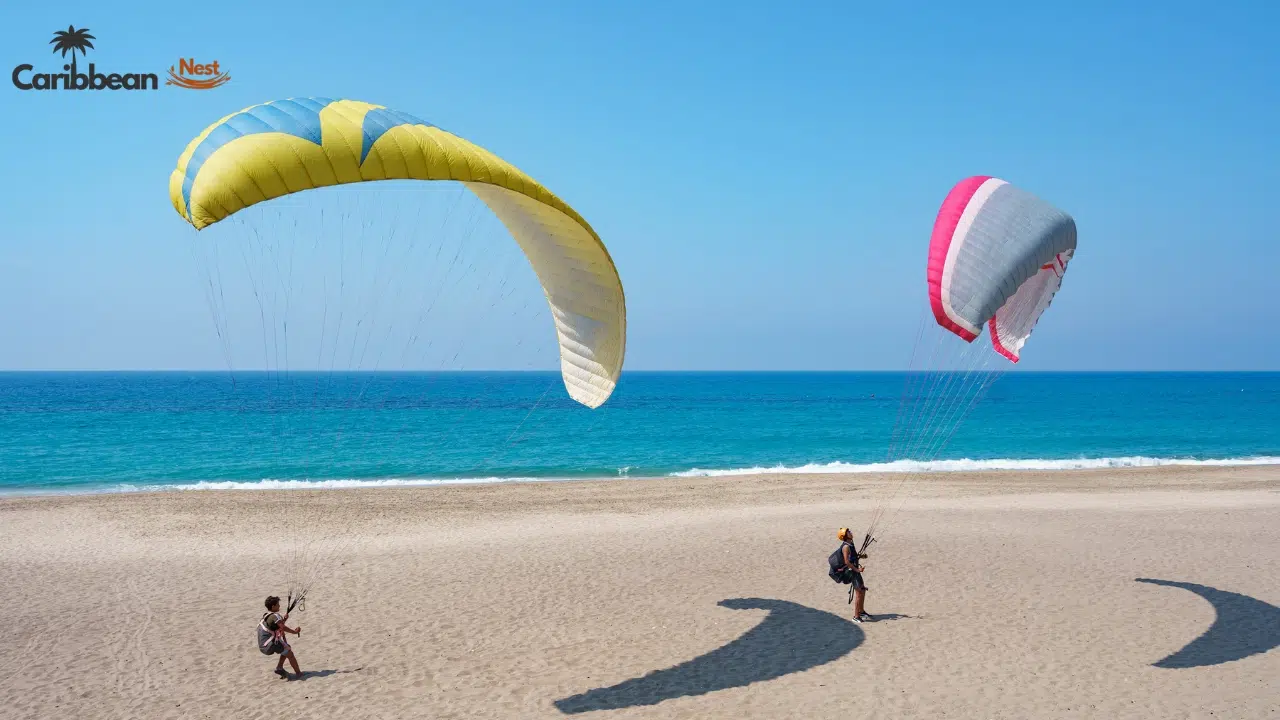
However, September and October can feel slower. If you wonder “can you kite surf in Aruba in September?”, the answer is yes, but winds may drop. Still, Aruba weather for kitesurfing remains warm and pleasant, making the Aruba kite season flexible for most travelers.
Aruba Wind Conditions Explained
Understanding Aruba wind conditions is key before you ride. The island gets steady trade winds from Aruba to the east. Many beginners ask, “How strong is the wind in Aruba for kite surfing?”, and it usually ranges from 15 to 30 knots.
Consistency is Aruba’s biggest advantage. Riders often ask, “Does Aruba have consistent wind for kite surfing?”, and the answer is yes. This makes Aruba’s kitesurfing destinations highly reliable. If you check any Aruba wind forecast for kite surfing, you will notice stable patterns almost every week.
Monthly Wind Breakdown
Wind patterns change slightly each month. A quick view helps you plan better and avoid weak days.
| Period | Wind Strength | Conditions | Crowd Level |
| Jan–Mar | Strong | Smooth sessions | High |
| Apr–Jun | Very Strong | Peak riding | Medium |
| Jul–Aug | Strong | Consistent | Medium |
| Sep–Oct | Light | Unstable | Low |
| Nov–Dec | Moderate | Improving | Medium |
This table answers “how windy is Aruba in summer” and helps you decide fast. Most riders prefer spring and early summer for powerful sessions.
Top Kite boarding Spots in Aruba
Aruba offers diverse kite surfing spots for all levels. Fisherman’s Huts, Aruba and Hadicurari Beach kite surfing are ideal for beginners. Flat water and safe zones make learning easy. Many ask, “Which beach is best for kite surfing in Aruba?”, and this spot often ranks first.
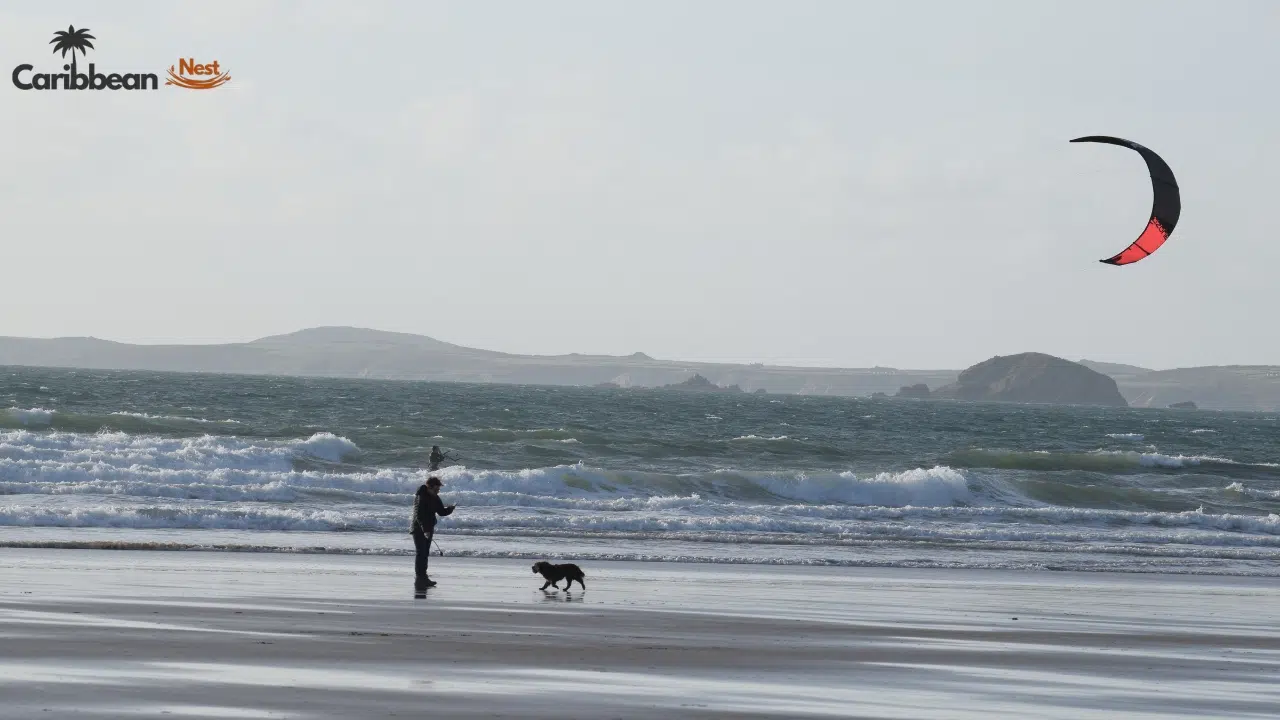
For advanced riders, Boca Grandi kite surfing delivers strong winds and waves. It is one of the top Aruba wave riding spots. If you ask “what are the top kite spots in Aruba?”, these locations always lead. They also define the best Aruba flat water kite spots for progression.
Is Aruba Good for Beginners or Pros?
Many travelers wonder, “Can beginners learn kite boarding in Aruba?”, and the answer is yes. Calm lagoons and steady wind create a safe space. With proper guidance, beginners progress quickly during the Aruba kite boarding holiday.
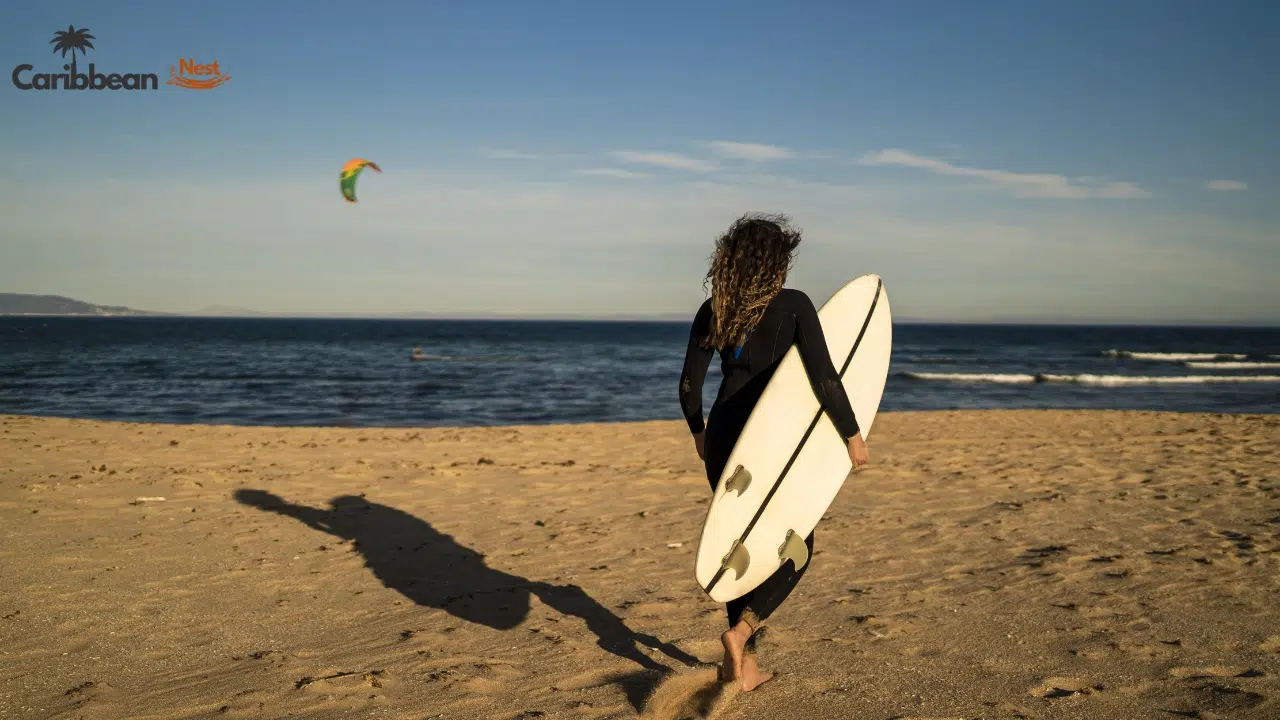
At the same time, pros love strong winds. Advanced riders often ask, “Is Aruba good for advanced kite boarders?”, and Boca Grandi proves it. Still, safety matters. People also ask, “Is Aruba safe for kite surfing beginners?” With lessons, it is very safe.
Best Kite Schools in Aruba
Quality Aruba kite boarding schools make learning simple. Certified instructors teach step by step. Many visitors ask, “Are there kite schools in Aruba?” The island offers several trusted options.
Lessons include gear and coaching support. Beginners join Aruba kite surfing lessons to learn the basics quickly. Some ask, “How much does kite surfing cost in Aruba?” Prices vary, but the value stays high due to expert guidance and safe training.
Gear, Rentals & What to Pack
Packing smart saves time and money. Most riders ask, “What kite size to use in Aruba?” 7m to 12m works best. Thanks to warm water, you may not need heavy gear.
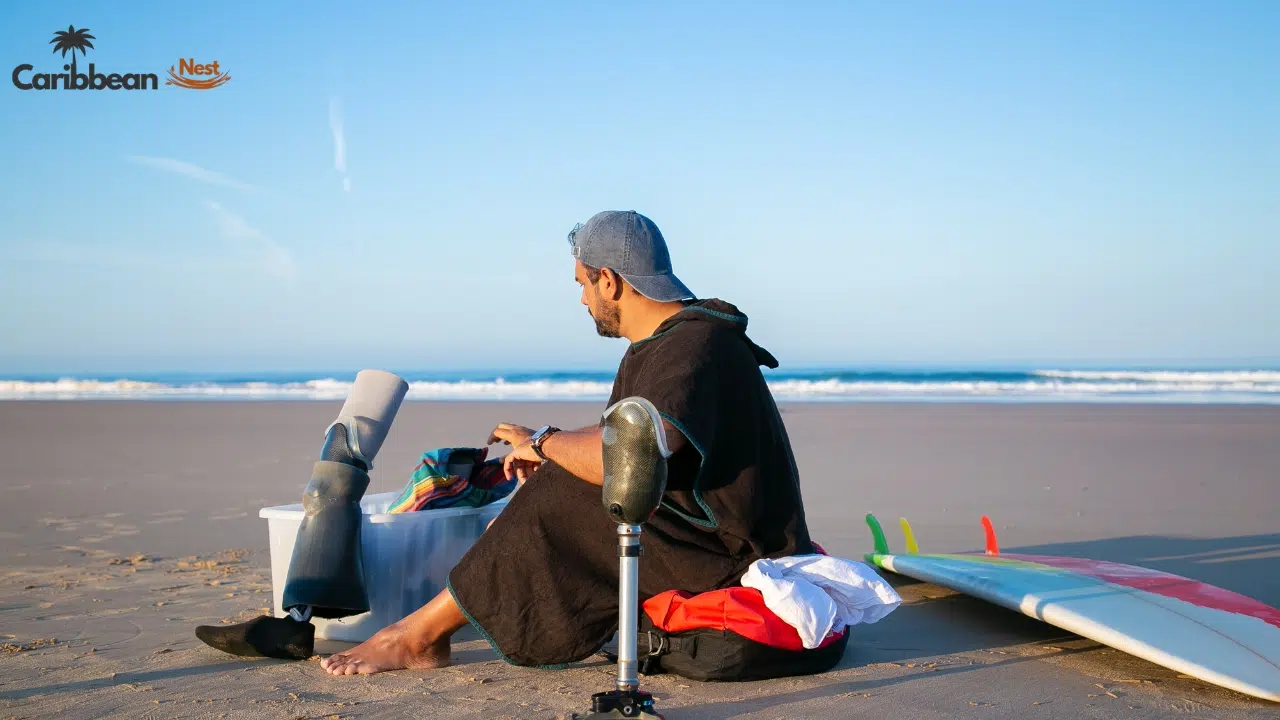
Another common question is “Do I need a wet suit in Aruba for kite surfing?” The answer is no. Many also ask, “What is the water temperature in Aruba?” It stays around 26°C. This makes travel light and easy.
Travel Tips for Kite boarders
Planning improves your experience. Many visitors ask, “Is Aruba outside the hurricane belt for kiting?” Yes, it is mostly safe from storms. This makes the Aruba kite boarding vacation more reliable than other islands.
Choose accommodation near beaches for easy access. Transport is simple, but renting a car gives more freedom. When you research Aruba kite surfing, always check local conditions and timing for the best sessions.
Pros and Cons of Kite boarding in Aruba
The Aruba kite boarding season offers strong benefits. You get steady wind, warm water, and diverse spots. This makes Aruba a popular kite surfing destination worldwide.

However, there are small downsides. Some beaches have offshore winds. Costs can be higher than on other islands. Still, for most riders, the pros clearly outweigh the cons, making Aruba a top choice.
Is Aruba Kite boarding Worth It in 2026?
If you still ask, “When is the best time to kite board in Aruba?” the answer depends on your goal. Strong winds visit from May to July. For relaxed travel, winter works well. Overall, the Aruba kite boarding season remains one of the best worldwide.
Frequently Asked Questions
1) When to kite surf in Aruba?
December to August is the best period, with peak wind from May to July.
2) What months to avoid Aruba?
September and October are less ideal due to lighter and more inconsistent winds.
3) Is Aruba good for kite boarding?
Yes, it offers steady trade winds, warm water, and spots for all skill levels.
4) What month is the least windy in Aruba?
October is usually the least windy month.
5) What to beware of in Aruba?
Watch for offshore winds at some beaches and always check local safety conditions before riding.


