


This Travel Safety Guide explores the real risks and rewards of this Caribbean destination for American travelers. Many vacationers wonder whether it is safe to visit Curaçao. That given its proximity to Venezuela and the global headlines. In fact, the Curaçao travel advisory reassures that it remains a politically stable Caribbean island with low levels of serious crime and strong travel safety norms.
Visitors who follow basic safety tips for Curaçao, such as keeping valuables secure and using registered taxis, find it easy to enjoy beaches, culture, and nightlife. This guide will help you understand safety, health, and travel requirements for a confident 2026 trip.
Crime and Personal Safety
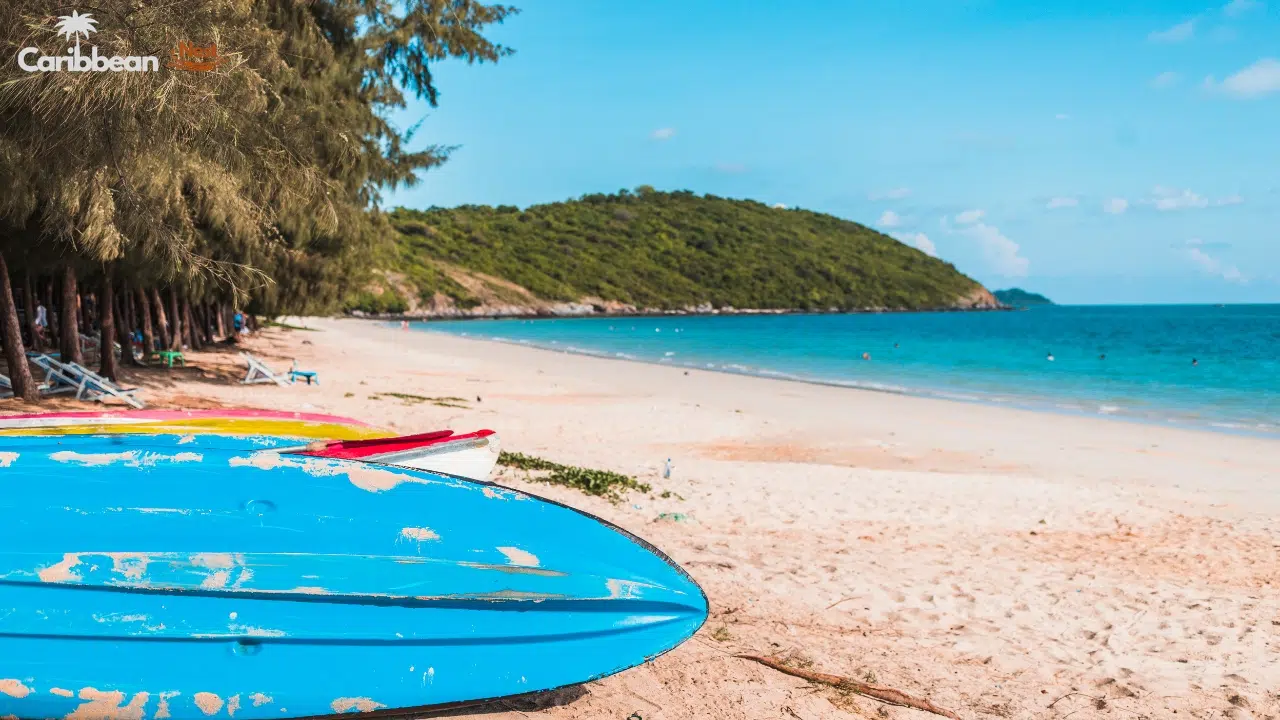
When considering the Curaçao crime rate, most incidents involve petty theft and pick pocketing, as is common in many popular tourist destinations around the world. Pickpockets may operate in crowded markets or cruise port areas, but violent crime rarely involves visitors, and patrols in main tourist zones are frequent. Experts recommend keeping personal items tucked away and securing bags while out and about, as these simple steps significantly reduce risk.
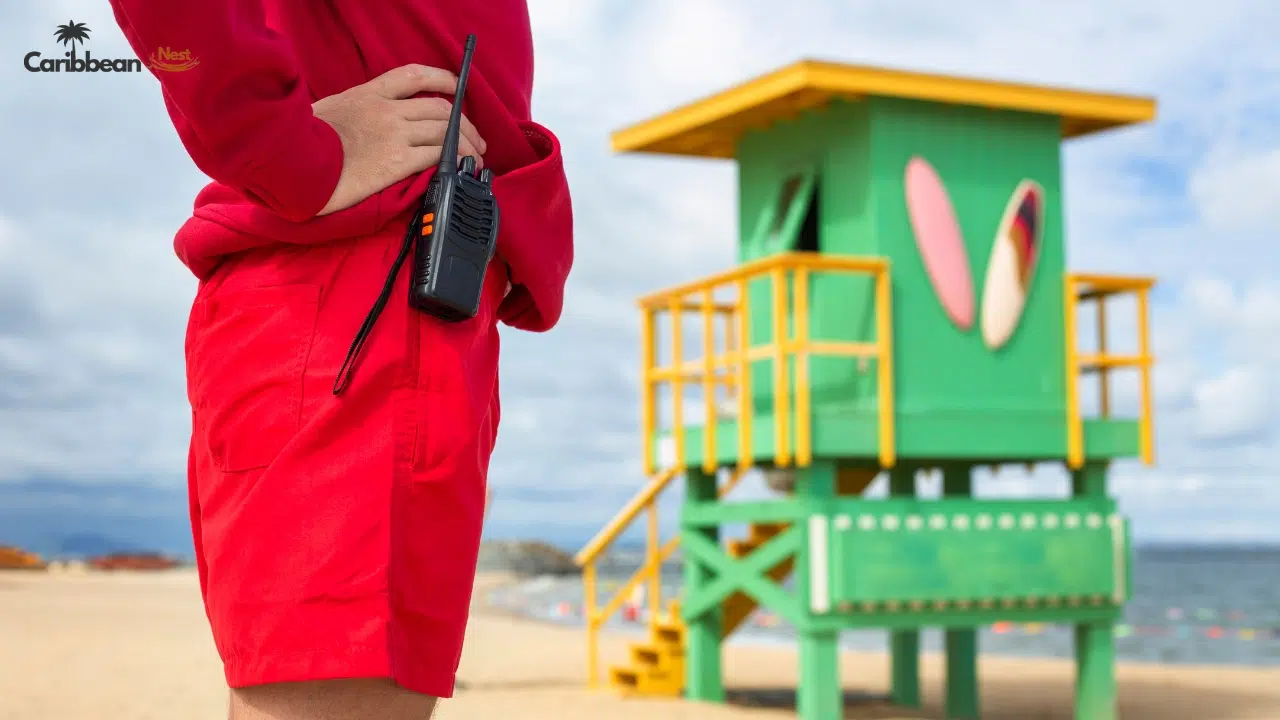
Theft from vehicles at beaches is another common issue visitors face, especially when valuables are left unattended. Rental cars should always be locked, and valuable belongings should remain with you or in secure locations. Remote beaches and empty public areas after dark are best avoided, a precaution that applies anywhere travelers explore unfamiliar territory.
Areas Tourists Should Avoid
Overall, Curaçao’s main tourist zones are safe, but some locations outside those areas can pose higher risks. In downtown Willemstad and residential outskirts, certain neighborhoods may have elevated crime levels, especially after dark. Local advice suggests that visitors staying within well-lit, lively districts like Pietermaai, Jan Thiel, and the main waterfront feel safer than those who explore unknown streets late at night.
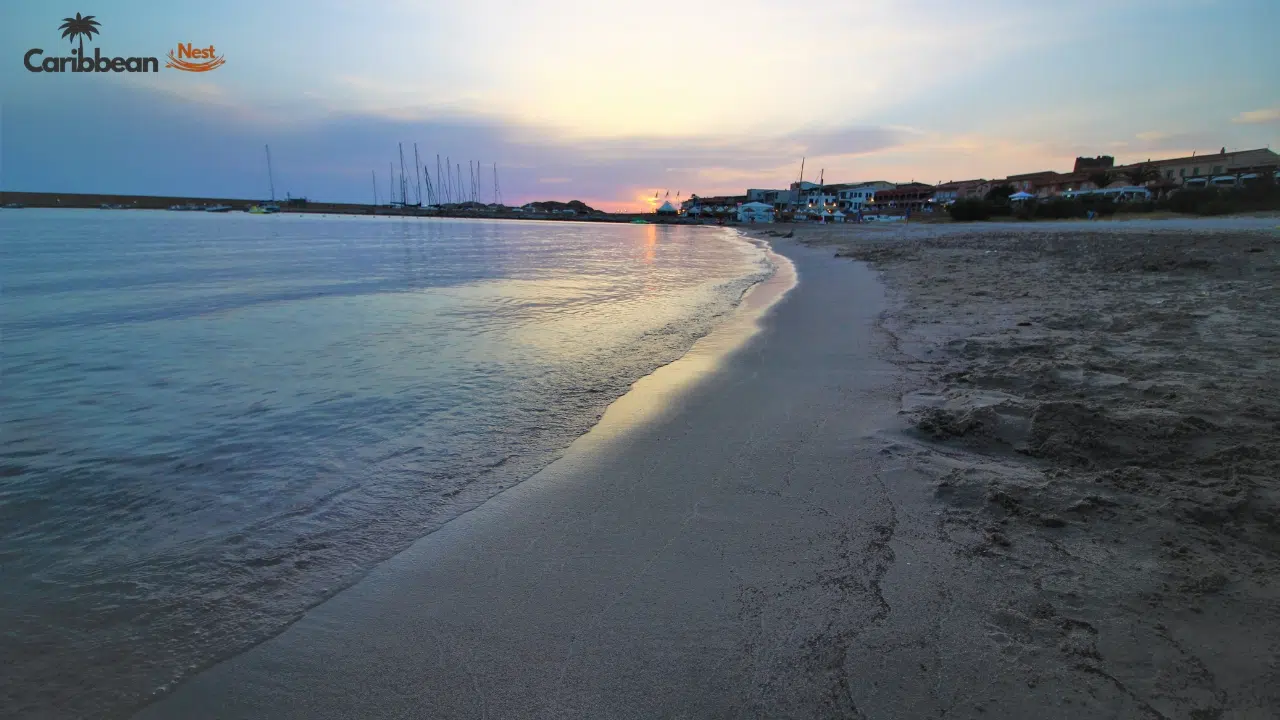
Remote beaches and isolated parking zones have seen occasional thefts, so avoid poorly lit areas at night and stick to places where other people gather. This type of caution serves tourists well, and most visitors report no problems when traveling in groups or with a clear plan for their outings.
Safe Places to Stay in Curaçao
Curaçao’s popular resort areas offer strong safety for tourists, friendly atmospheres, and many amenities, making them ideal for vacationers. Neighborhoods near Mambo Beach, Jan Thiel Beach, and the historic districts around Willemstad are lively, well-patrolled, and full of dining, shopping, and entertainment options that enhance security for travelers.
Smaller boutique hotels and resorts often provide on-site security advice and local recommendations, helping visitors feel at ease throughout their stay. Many properties also offer shuttle or taxi coordination, adding a layer of comfort for travelers concerned about navigating unfamiliar streets after dark.
Transportation Safety
Transportation in Curaçao presents its own set of considerations, and understanding Curaçao transportation safety helps visitors avoid common pitfalls. Taxis do not use meters, so make sure to agree on the fare before your ride starts, and look for registered taxis with TX plates to ensure legitimacy. Negotiating prices in advance helps avoid misunderstandings, especially near busy terminals or ferry docks.
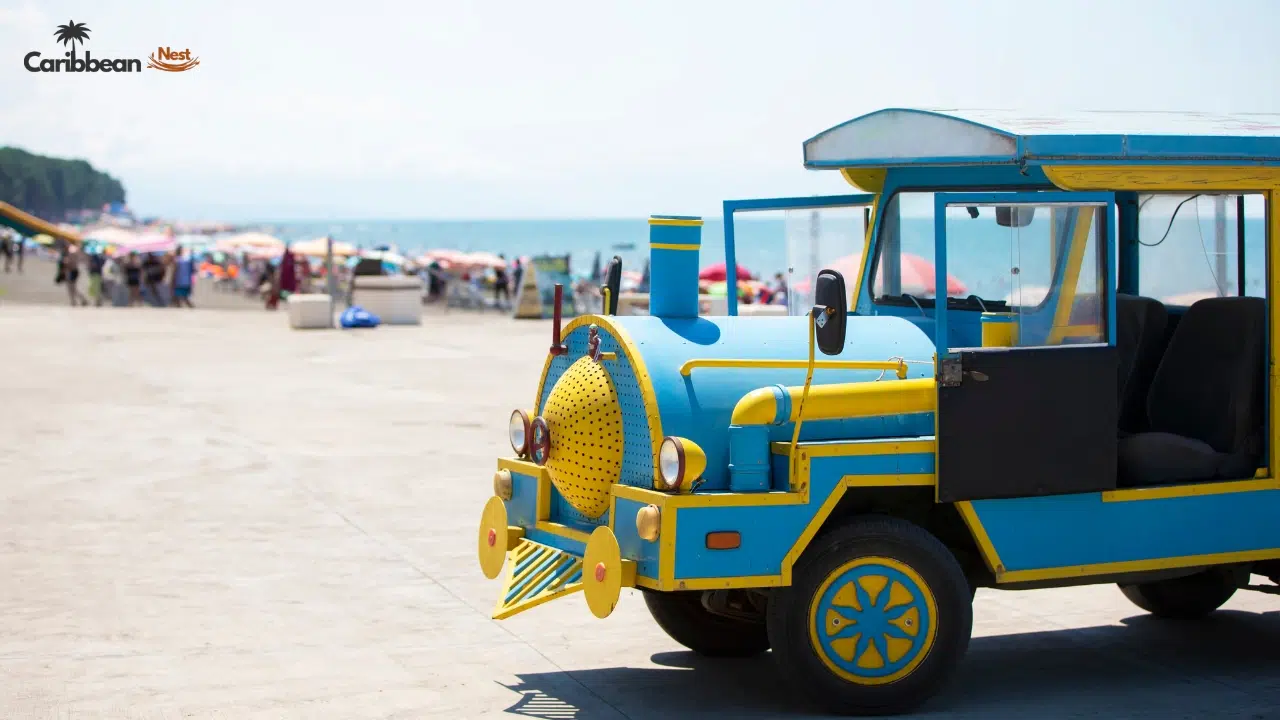
Driving a rental car gives you freedom, but laws and road signs differ from those in the US. Road conditions can vary in remote areas, and street lighting may be limited at night. Familiarize yourself with local rules and drive defensively.
Health and Medical Safety
Health-wise, Curaçao is considered low risk for many common travel ailments, though some tropical diseases, such as dengue, can occur. It’s health safety recommendations include staying hydrated in the Caribbean sun and using insect repellent during peak mosquito seasons, especially in more rural or wooded regions.
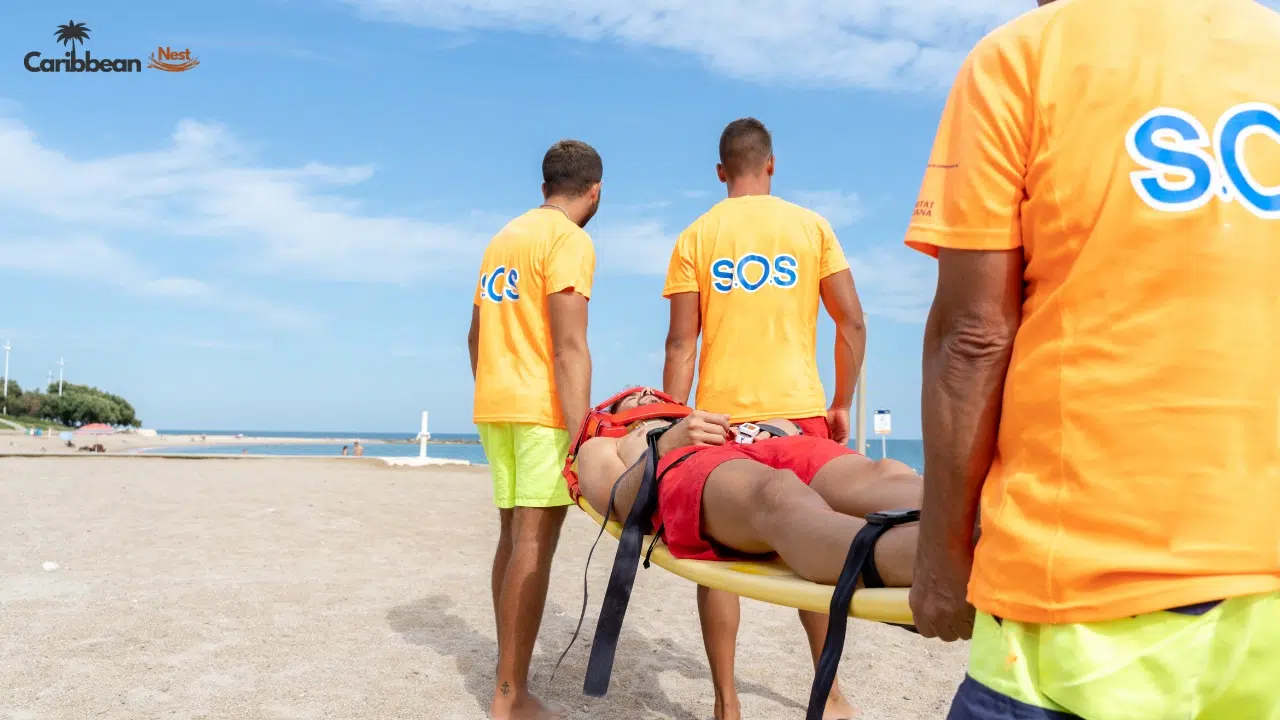
Medical facilities are available, but serious issues may require hospital care or even medical evacuation, so medical evacuation insurance is recommended for comprehensive protection. Regular vaccinations and routine medical planning before travel help you stay prepared in case of any unexpected health concerns during your trip.
Natural Disasters and Weather Risks
A major advantage of visiting Curaçao is that it lies outside the hurricane belt, which greatly reduces the hurricane risk compared to other Caribbean islands. The island enjoys warm weather most of the year, and while short bursts of heavy rain can occur, they rarely disrupt travel plans.
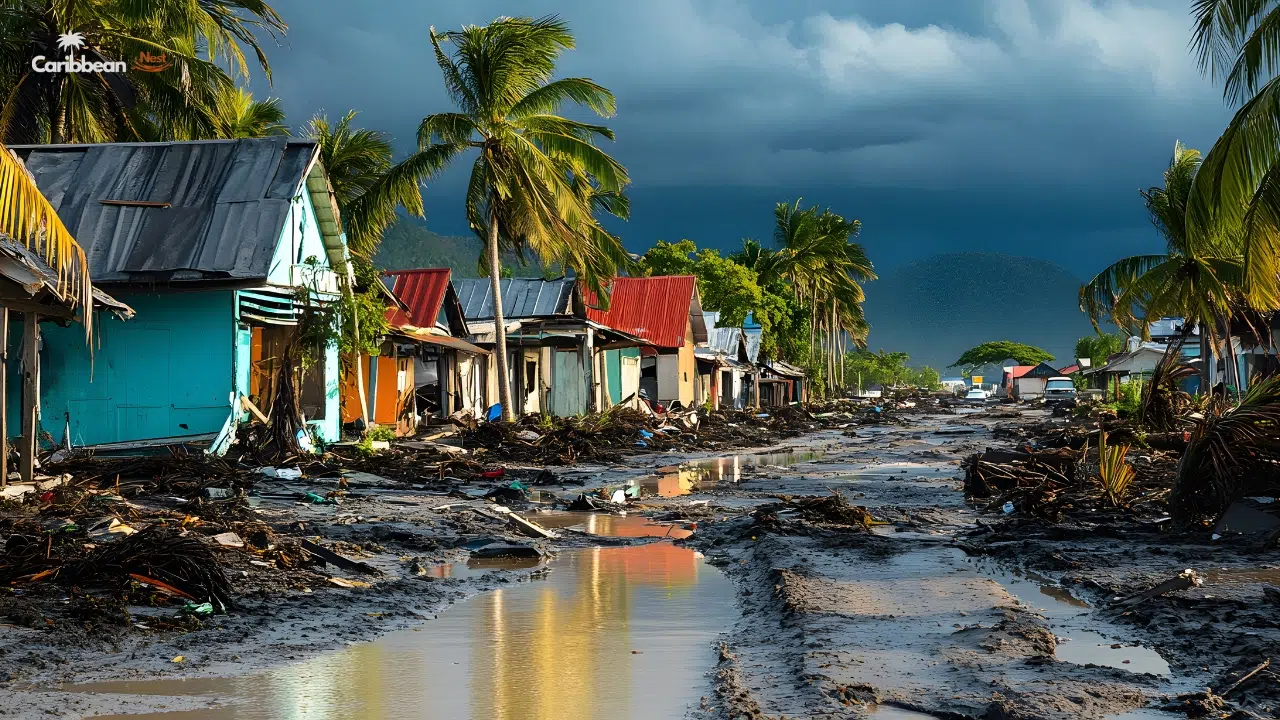
Even though hurricanes are uncommon, visitors should check forecasts during the Atlantic’s official hurricane season from June to November. Local weather updates and hotel advisories help you stay informed on conditions that may impact beach days or hiking plans.
Local Laws and Tourist Rules
Understanding Curaçao entry requirements and local laws makes a trip smoother and more respectful. Visitors need a valid passport and may need to complete a digital immigration card requirement before arrival, a free online process for most travelers staying up to 90 days.
Local laws in Curaçao prohibit drug possession and use, and penalties can be strict. Tourists who unknowingly carry illegal items can face serious consequences, so it’s essential to avoid accepting or carrying packages from strangers or unverified sources.
Solo, Female, and Family Travel Safety
Curaçao is widely viewed as a friendly destination for solo travelers, with solo travel safety supported by well-lit streets in main areas, a visible police presence, and a community accustomed to international visitors. Crowded spots like Willemstad’s promenade and beach towns feel secure, even after sundown, when you stick to well-populated zones.

Family safety in Curaçao is also a positive aspect of island travel. Resorts often offer family-friendly amenities, and healthcare infrastructure supports children and adults. Visitors report peaceful strolls in evening markets and calm seaside dinners, making this island inviting for parents traveling with kids.
Is Curaçao Safe to Visit in 2026?
In 2026, Curaçao remains a low-risk destination for international tourists and one where most trips are trouble-free. With Curaçao’s travel advisory status at Level 1 from the US State Department and similar ratings from other Western countries, visitors can enjoy beaches, historic sites, and local culture with confidence.
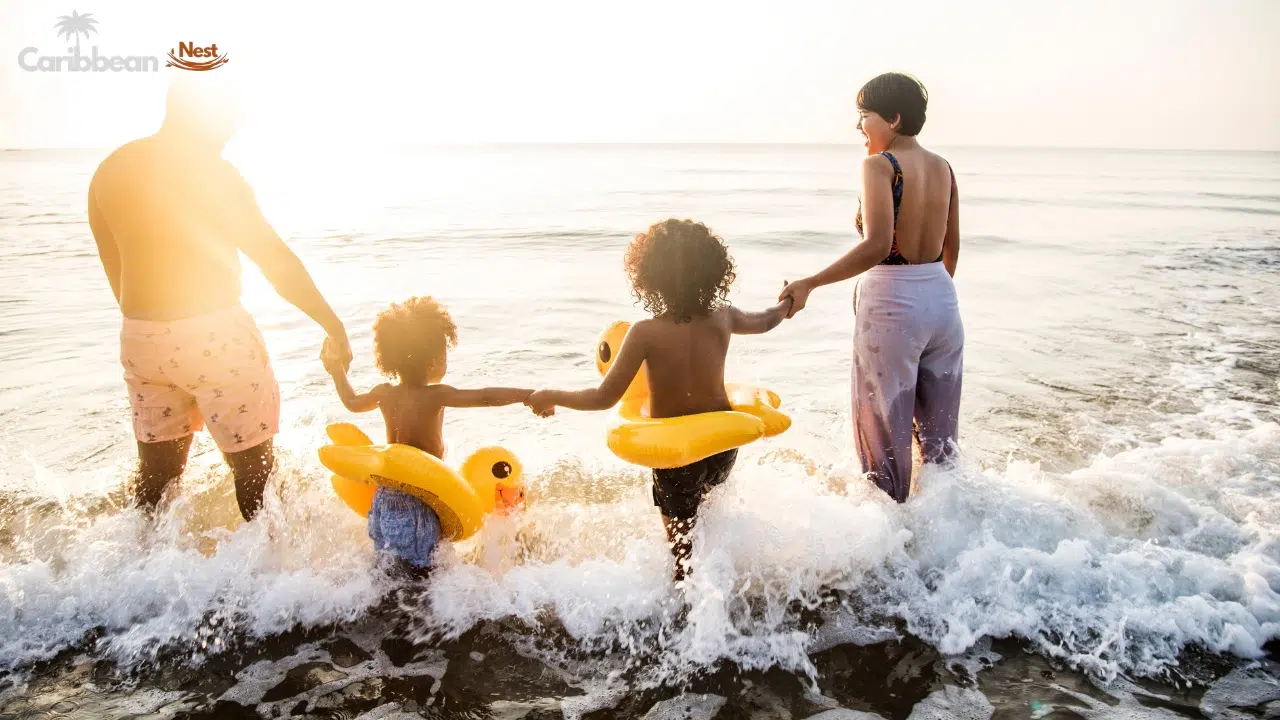
The island’s sunny weather, cultural experiences, and relaxed Caribbean vibe draw travelers year after year. By following basic Curaçao safety tips like securing belongings, avoiding isolated areas at night, and understanding local regulations, you’ll likely return home with memories of vibrant sunsets, clear waters, and warm island hospitality.
Frequently Asked Questions
1) Is it safe for Americans to travel to Curaçao?
Yes, Curaçao is considered safe for Americans, with low violent crime and a US State Department Level 1 advisory.
2) What are the downsides of Curaçao?
Higher prices than some Caribbean islands, limited sandy beaches, and fewer all-inclusive resorts.
3) Is Aruba or Curaçao better?
Aruba suits travelers who want resorts and nightlife, while Curaçao is better for culture, diving, and quieter travel.
4) Where to avoid in Curaçao?
Avoid poorly lit streets late at night and some isolated areas of downtown Willemstad after dark.
5) What is the safest Caribbean island right now?
Aruba, Curaçao, and the Cayman Islands are often ranked among the safest Caribbean destinations.
6) Is marijuana legal in the Bahamas or Curaçao?
Marijuana is illegal for recreational use in both The Bahamas and Curaçao. While some regions may have minor decriminalization policies for small amounts, possession and use can still lead to fines or legal consequences. Travelers should always follow local laws and regulations.


