


This article shows how a small island celebration grew into one of the Caribbean’s most joyful festivals. Every year, thousands of people come together to enjoy music, dancing, and bright costumes that reflect Aruban cultural celebrations. Old Caribbean Carnival traditions shape the event and have become a key part of local life.
Visitors love the energy of the Grand Carnival Parade and the excitement that fills the streets during the Aruba festival season. Today, the celebration continues to grow, offering unforgettable moments that highlight Aruba’s happiest island festivities.
How did Aruba Carnival First begin?
The earliest moments of Aruba Carnival history stretch back to the mid-twentieth century, years before the celebration became a massive attraction for international travelers. The earliest spark can be seen in the origins of the Aruba Carnival 1954, when the first small and spirited street festivals took shape in neighborhood corners. These gatherings carried a simple intention: community joy, shared music, and the desire to celebrate life. Over time, the parades attracted a wider audience, drawing in more performers, dancers, and musicians to the excitement. A year later, the milestone moment occurred with the Aruba Carnival 1955, the first public event, when the parade finally moved from small pockets into the public streets.
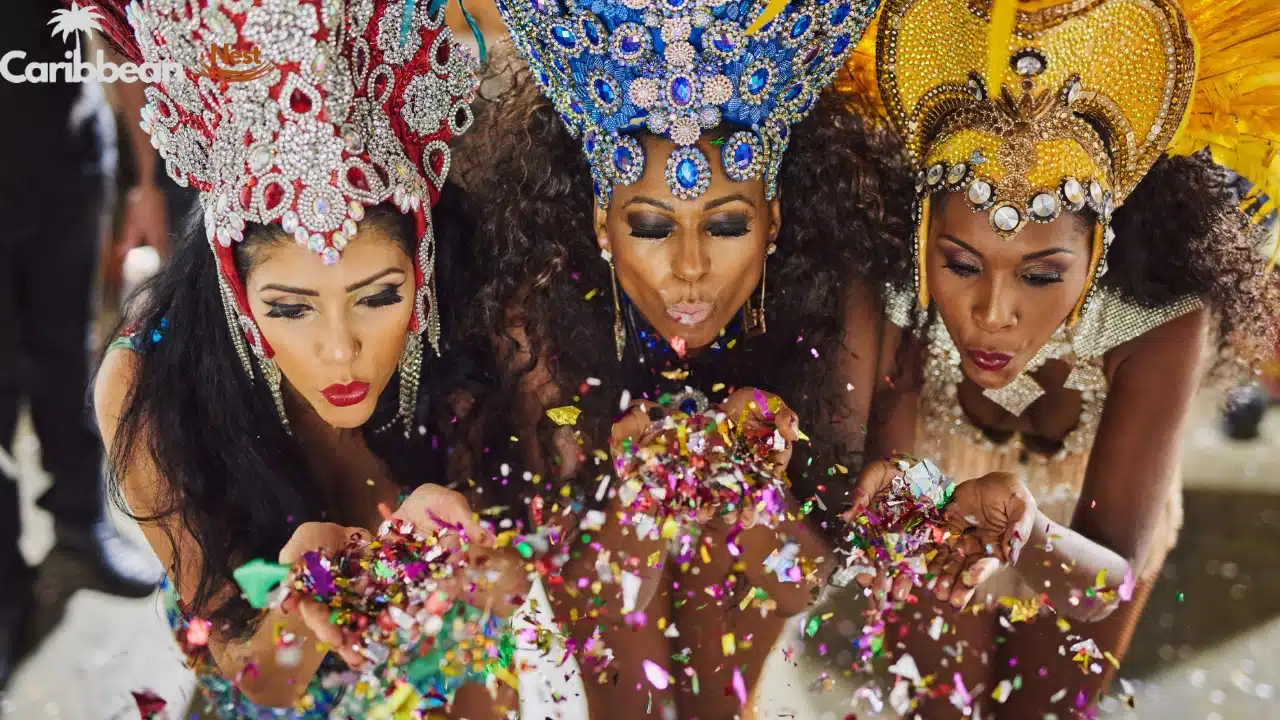
The introduction of the Carnival queen coronation added prestige, pride, and a sense of glamorous competition to the celebration. This coronation marked a new chapter, giving the festival an official symbol of beauty and leadership. American visitors today may be surprised to learn how quickly the festival developed after that first public parade. As more dancers, bands, and floats entered the procession, the event transformed from a small local festival to the dazzling giant it is now. These early days show how local enthusiasm created the foundation for one of Aruba’s happiest island festivities.
Early Influences That Shaped Carnival
The celebration carries echoes of ancient rituals, such as Saturnalia and Lupercalia (Roman festivals referenced), which focused on feasting, costumes, and joyful chaos. When Christianity began to shape Europe’s calendar, these older traditions merged with preparations for Lent / Ash Wednesday, leading to masquerades, dances, and pre-Lent celebrations across many regions. These blended ideas slowly travelled into the Caribbean, eventually shaping the identity of modern Carnival across many islands.
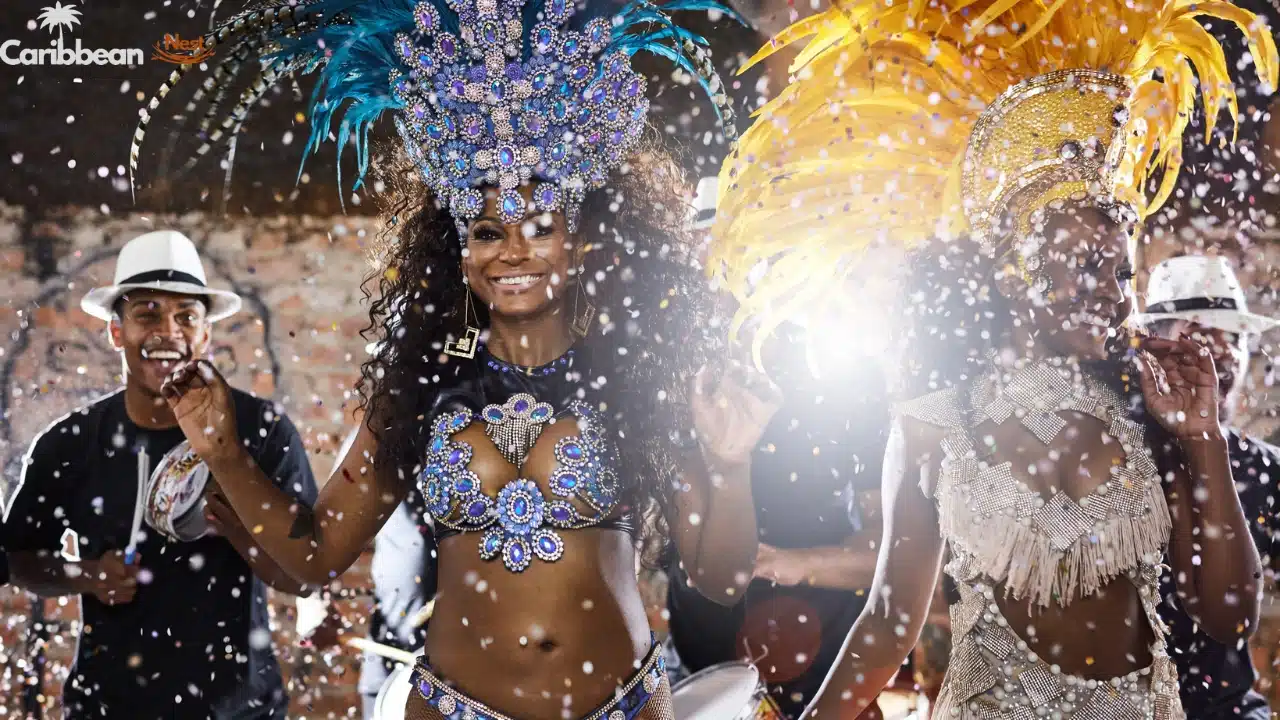
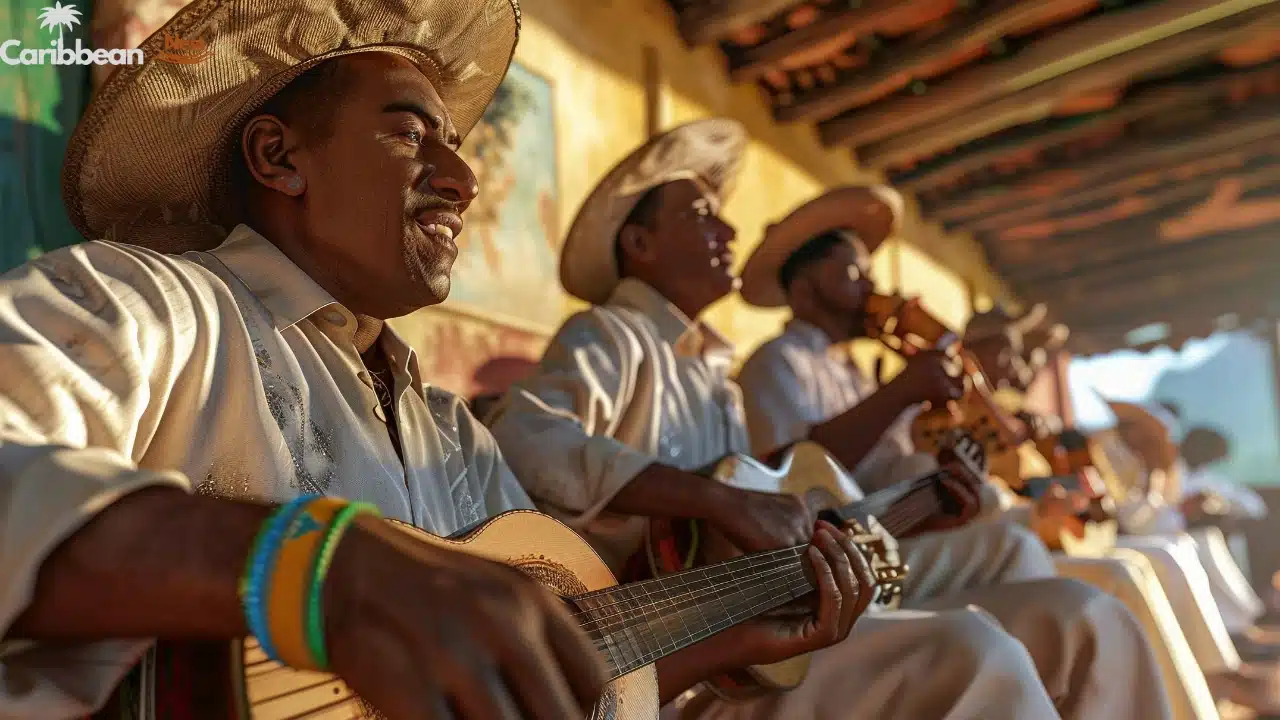
Another essential influence came from migration and community diversity. The presence of Caribbean-English immigrants, many of whom worked at the Lago Oil Refinery, played a significant role in the festival’s birth. These groups introduced lively drumming, traditional dances, handmade costumes, and new musical styles. The festival’s early rhythm grew stronger as the island welcomed vibrant steel bands, giving rise to the unmistakable melodies of Aruba’s steel and brass bands. These influences combined to create the essence of Caribbean music and dance, which still defines the festival today.
How Aruba Carnival Grew Over the Years?
As the mid-century progressed, the need for organization and structure became clear. The formation of Stichting Arubaanse Carnaval became one of the most crucial turning points in Aruba Carnival history. Founded on November 11th at 11:11 a.m., this organization officially opened the festival season. This moment became the permanent kickoff to the Carnival season and is still celebrated with clockwork precision every year. The introduction of this structure helped the festival expand with confidence and clarity.
More events began to appear, like the shimmering Tivoli Lighting Parade, which reshaped nighttime celebrations with glowing costumes and moving lanterns. As the island embraced larger gatherings, new groups emerged, each bringing themed costumes, creative floats, and energetic, choreographed movements. This wave of creativity shaped the iconic Carnival pageants and competitions, giving Carnival an unmistakable identity. The celebration also grew more inclusive, drawing in families, local neighborhoods, and tourists seeking a deeper connection to Aruban cultural celebrations.
Main Events
The festival today unfolds through a chain of distinctive cultural happenings that fill the island with unmatched excitement. One of the earliest is the Torch Parade, which ignites Aruba’s festival season with fire-lit energy and glowing crowds moving together in harmony. This is followed by the joyful, animated Children’s Parade Aruba, where kids display imaginative costumes and vibrant performances that attract locals and visitors alike. Another famous moment that draws thousands is the dawn-breaking Jouvert Morning Pyjama Party, where participants dance through the early hours in pyjamas. At the same time, lively trucks boom music into the streets.
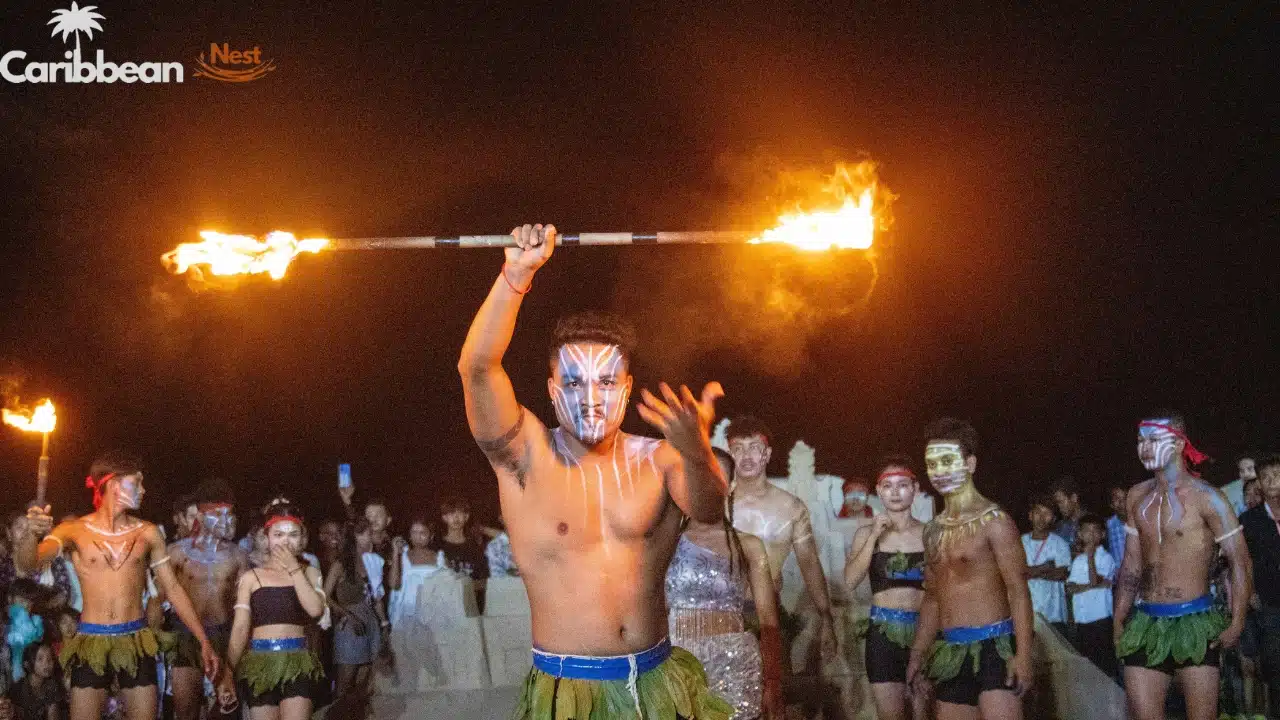
Nighttime brings even more wonder with the mesmerizing glow of the Lighting Parade Aruba, an illuminated spectacle where dancers and floats appear almost dreamlike against the night sky. The highlight of the entire festival remains Aruba’s Grand Parade and the sweeping spectacle of the San Nicolas Carnival parade. Both events offer extraordinary displays of Carnival costumes and floats, combining feathers, sequins, and powerful cultural themes. The festival ends with the emotional Burning of King Momo, when the symbolic effigy is set ablaze, signaling the close of celebrations and the spiritual arrival of Lent/Ash Wednesday.
Music and Dance Traditions
Music drives every heartbeat of the celebration, pulling crowds together with powerful rhythms and electrifying pulses. The festival’s soundtrack blends the energy of Caribbean rhythms, classic steel-drum melodies, upbeat Tumba music, and the competitive spirit of Road march and calypso tunes. Musicians throughout the island contribute to annual contests designed to crown the Calypso Monarch and recognize the best—known at times as the Roadmarch Champion, for their mastery of Carnival compositions.
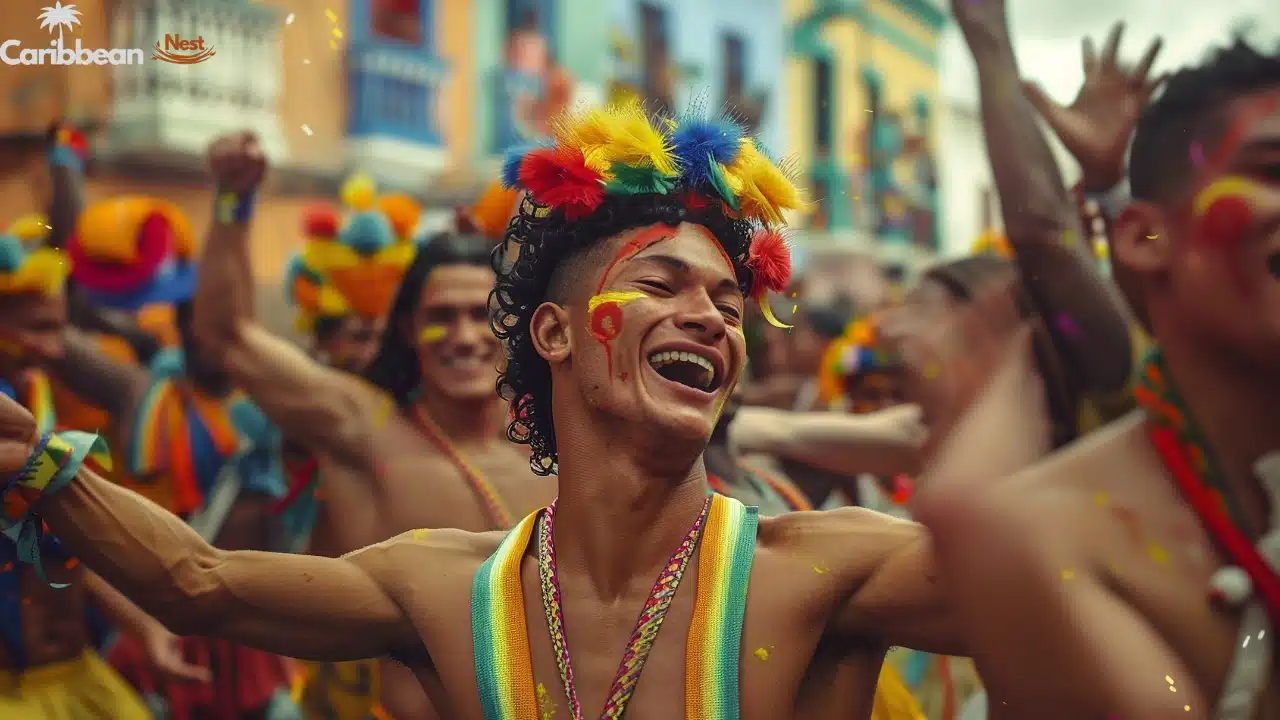
American visitors often describe the music as irresistible, with rhythms that seem to pull the body forward on their own. These sounds are born from the legacy of African drums, Caribbean beats, and local creativity, forming a living soundtrack that stays with tourists long after they leave the island. Every float in the Carnival events in Oranjestad or the music trucks in San Nicolas carries these unforgettable melodies. No celebration of the isle can be imagined without the deep power of Caribbean music and dance, which brings life to every corner of the festival.
Costumes and Cultural Expression
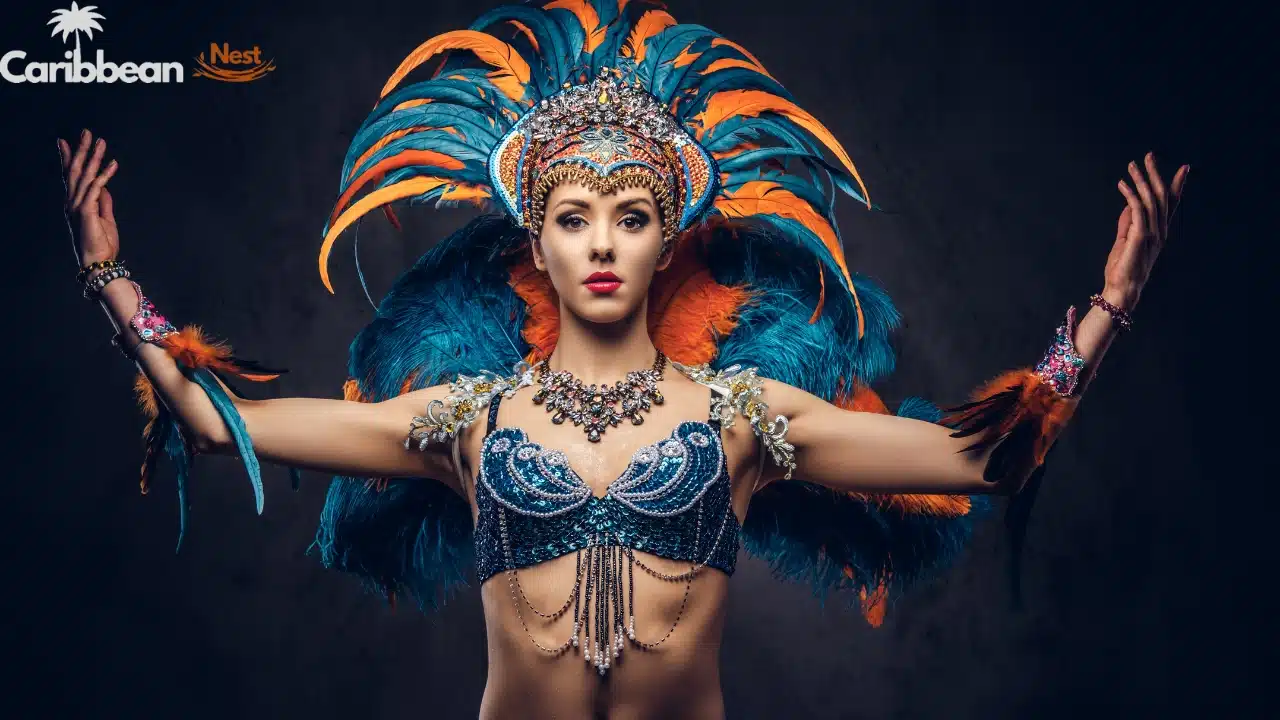
The expressive artistry of Carnival costumes and floats has always been the heart of the festival’s visual identity. Costume groups spend months designing intricate outfits adorned with feathers, beads, sequins, gemstones, and vibrant color palettes. Many of these designs reflect themes rooted in Aruba’s cultural heritage, folklore, and legends, as well as island pride. The dancers’ movement turns these outfits into living art, allowing each costume to shimmer, sway, and flash to the rhythm of the procession.
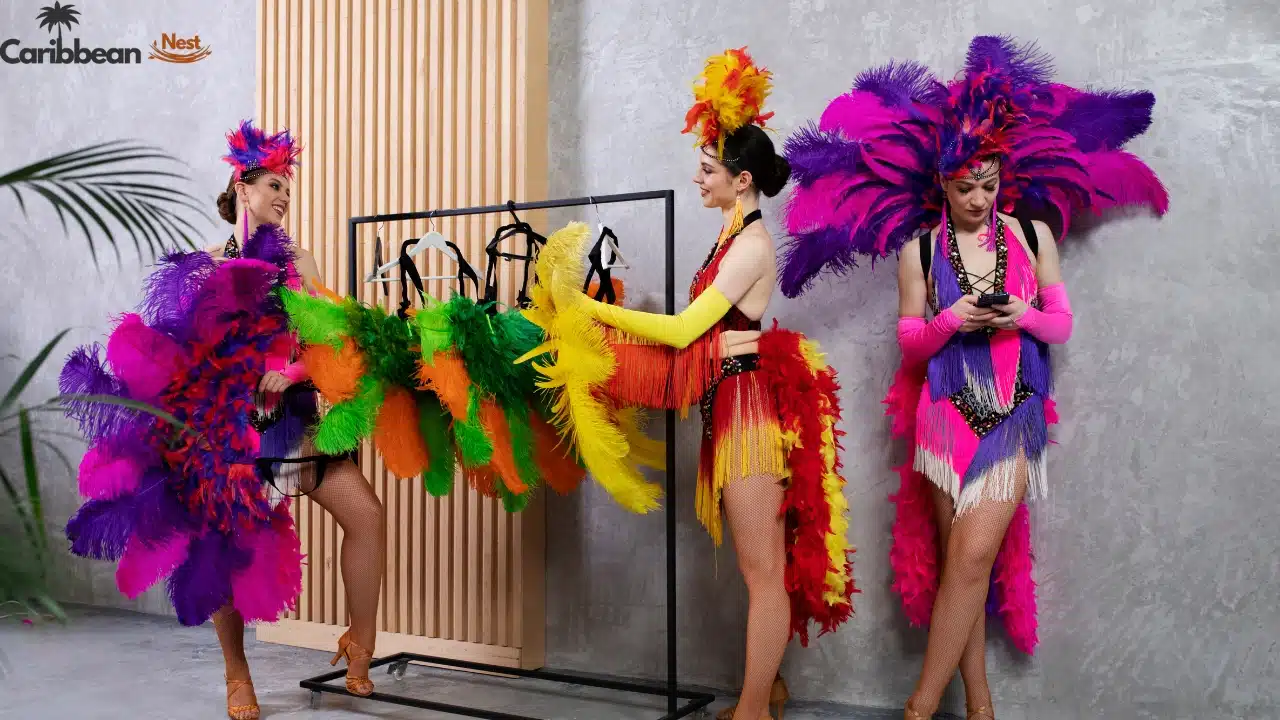
The costume displays grow more impressive each year, and creative groups often use their designs to compete in major Carnival pageants and competitions. American visitors usually describe these costumes as museum-level works of art, shaped by teams who pour countless hours into every detail. Local designers consider these celebrations the perfect showcase for craftsmanship and cultural innovation. These elements together form one of the most beloved expressions of Aruban cultural celebrations, blending old tradition with modern artistry.
When does the Carnival take place?
The festival’s arrival each year follows a story-like sequence filled with anticipation and excitement. The start of the season is marked by the iconic moment organized by Stichting Arubaanse Carnaval on November 11th at 11:11 a.m., which signals the first official celebration. This timing marks the official Carnival season dates in Aruba, telling locals and visitors that the months of joy have begun. While the season stretches from November, the core events occur during the heart of the January and February Carnival, when the island’s traffic, hotels, and nightlife reach their peak.
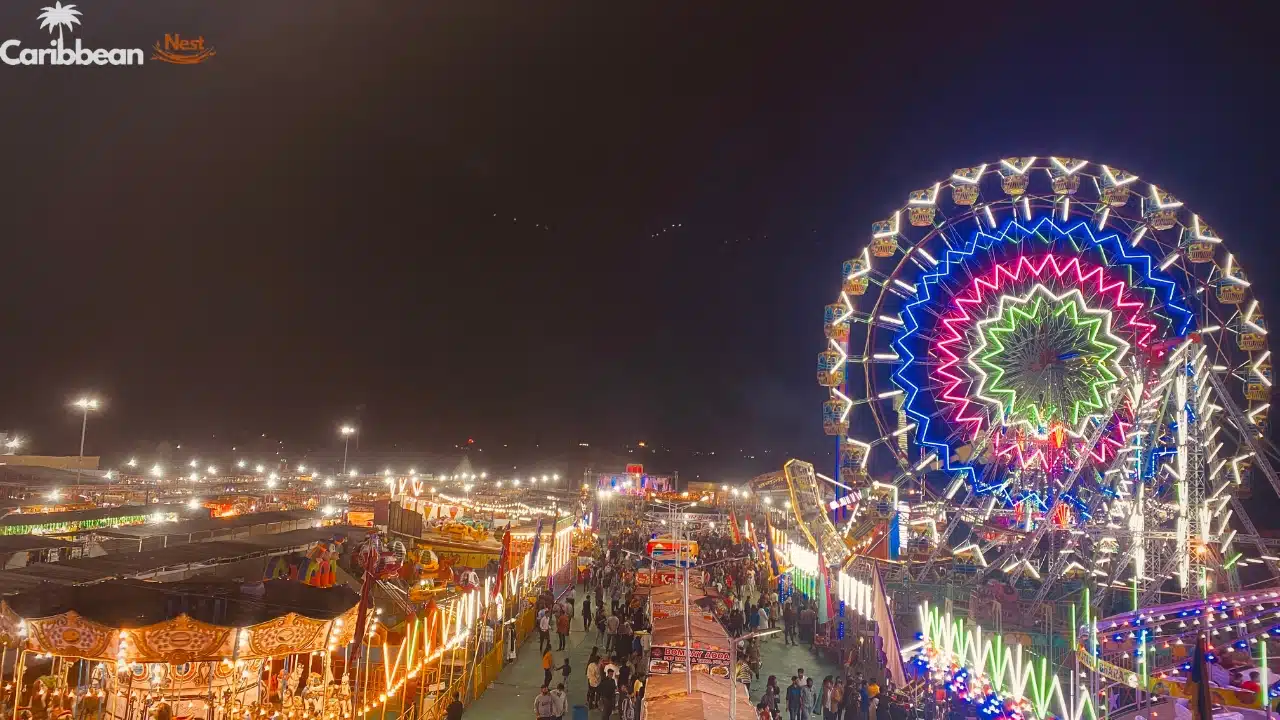
For American travelers planning their visit, these months bring ideal weather, a highly active festival atmosphere, and the complete lineup of cultural celebrations. The weeks leading up to Lent/Ash Wednesday offer the most exhilarating experiences, making them the best time for Carnival travel. When travelers follow the flow of the Aruba festival season, they can experience the festival exactly when the island feels most alive.
Best Places to Experience Carnival
Travelers often find that the festival unfolds across multiple routes and districts, each with its own character. The capital city of Oranjestad remains the prime stage for significant events, including the Torch Parade and the vibrant Carnival. The city’s streets fill with dancers, music, and elaborate floats, offering tourists incredible views. The bright colors, high-energy crowds, and cultural showcases help introduce visitors to the heart of Aruba Carnival history.
Another critical location is San Nicolas, widely known for its artistic spirit and multicultural history. This district hosts the famous San Nicolas Carnival parade, which often features emotional performances, traditional costumes, and some of the island’s most creative artistic expressions. For travelers seeking a more community-based celebration, this district offers an immersive cultural experience filled with Aruban community celebrations. Visitors can enjoy street food, local dance groups, and intimate gatherings that capture the spirit in Aruba’s happiest island festivities.
Tips for Planning Your Carnival Trip
A successful Carnival trip begins with thoughtful planning, especially for American travelers visiting during peak tourism periods. Booking flights and hotel stays well ahead of the January and February Carnival events ensures access to the best rates, locations, and resort options. Those who choose the city center of Oranjestad or the coastal resorts near Eagle Beach and Palm Beach enjoy easy access to various parade routes and nightlife. Wearing comfortable clothing becomes essential because the festival often includes long hours of standing, walking, and dancing under the warm Caribbean sun.
Travelers should also plan for hydration, sunscreen, and light meals during parade days. Those wanting a complete cultural experience can consider learning basic Carnival phrases or exploring local food selections shaped by generations of influence. These include favorite Aruban dishes that reflect the island’s community’s creativity. A memorable trip happens when visitors embrace the island-level enthusiasm, discovering why locals describe the festival as the highest expression of Caribbean Carnival traditions and a living celebration of Caribbean festival heritage.
| Category | Information |
|---|---|
| Best Travel Months | Peak events during January and February Carnival events |
| Main Cities to Visit | Oranjestad, San Nicolas |
| Major Events | Aruba’s Grand Parade, Lighting Parade Aruba, San Nicolas Carnival parade |
| Cultural Elements | Caribbean rhythms, Tumba music, Caribbean music, and dance |
| Closing Ritual | Burning of King Momo, involving the symbolic King Momo effigy |
| Essential Prep | Book early, stay hydrated, and wear comfortable clothing |
Conclusion
Aruba Carnival history weaves together a vibrant story of tradition, community, and cultural pride. The festival captures everything that defines the island: its deep roots, its artistic soul, and its commitment to joy. When American visitors walk into the glow of the Tivoli Lighting Parade, dance at the Jouvert Morning Pyjama Party, or witness the power of the Grand Carnival Parade, they’re stepping into a celebration shaped by generations of creativity. By exploring the origins, traditions, and key events, travelers can better appreciate how Aruba’s cultural heritage continues to grow stronger year after year. This festival remains more than a gathering. It stands as a lively expression of identity, unity, and the enduring beauty of Aruban cultural celebrations.
Frequently Asked Questions
- What is the oldest Carnival in the Caribbean?
The oldest Carnival in the Caribbean is Trinidad and Tobago Carnival, which began in the late 18th century during the French colonial period.
- What are the main events of Aruba Carnival?
The main events include the Torch Parade, Lighting Parade, Jouvert Morning Pyjama Party, Children’s Parades, and the spectacular Grand Carnival Parade in Oranjestad and San Nicolas.
- What is the main festival in Aruba?
Aruba’s biggest and most important festival is Aruba Carnival, a month-long celebration filled with music, costumes, dancing, and large parades.
- What is the history of the carnival event?
Carnival began as ancient European pre-Lent celebrations and later blended with African and Caribbean cultural influences, evolving into today’s colorful festivals.
- What is the Carnival history in the Caribbean?
Caribbean Carnival grew from European masquerade traditions and African rhythms brought by enslaved communities, developing into vibrant island-wide celebrations known for music, dancing, and cultural unity.

