


This Smart Traveler Guide is your ultimate companion for a smooth, stress-free trip. Many travelers make common errors that can ruin their vacation, from skipping the Curaçao DI Card to not knowing the Curaçao airport arrival process. Understanding Curaçao entry requirements for tourists, learning about the best snorkeling spots in Curaçao, and planning things to do in Curaçao can save time, money, and frustration.
This guide highlights essential tips, insider knowledge, and practical advice for first-time visitors and seasoned travelers alike. Avoiding these mistakes ensures you fully enjoy the vibrant culture, stunning beaches, and unique attractions of Willemstad Curaçao without setbacks or surprises.
Skipping the Curaçao DI Card
Many first-time visitors make the mistake of skipping the Digital Immigration Card. The Curaçao entry form is mandatory for all tourists. Without it, your entry may be delayed, and some airlines may refuse boarding. Always check Curaçao immigration requirements before departure to avoid frustration.
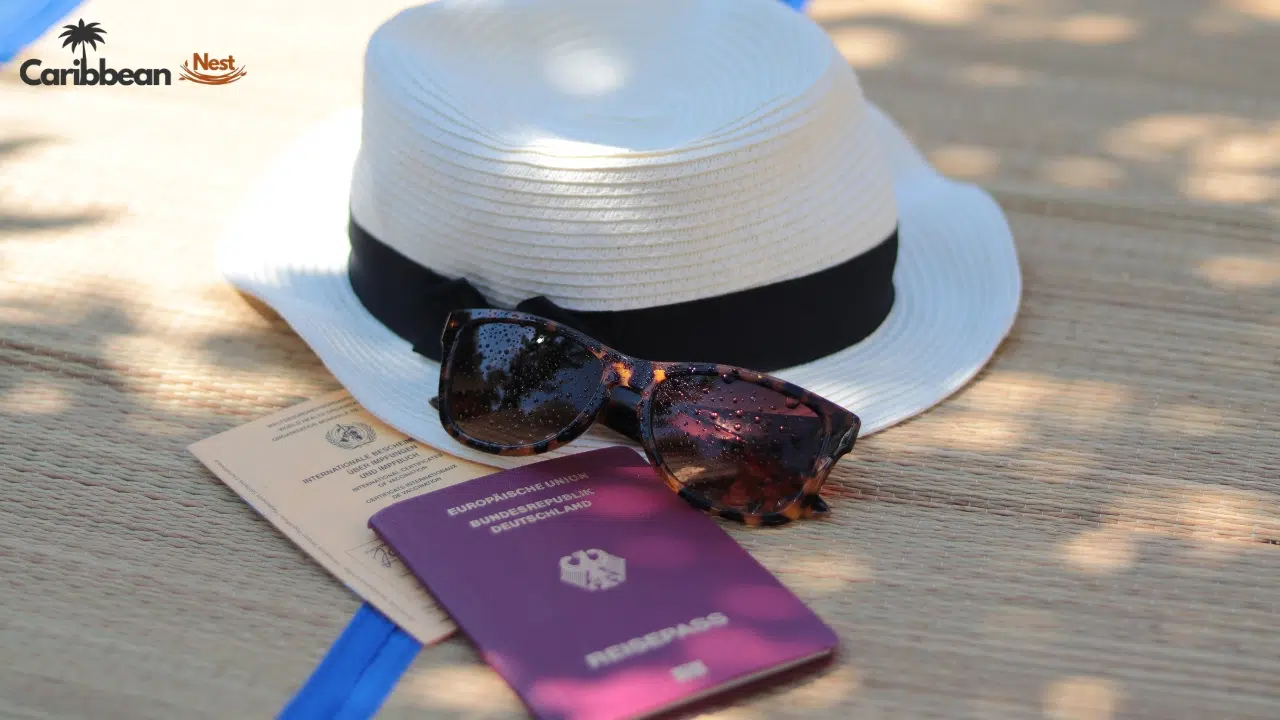
Processing your Curaçao DI Card is fast if done online. Learn how to apply for a Curaçao DI Card ahead of time. Typically, how long does DI Card processing take? is 24–48 hours. This card ensures a smooth arrival at Curaçao airport and lets you focus on sightseeing rather than paperwork.

Curaçao Travel Essentials 2026 — Smart Packing Guide for U.S. Travelers
Planning a Curaçao trip in 2026? Discover the ultimate packing list for U.S. travelers, including beach gear, weather tips, and island tour essentials.
Booking a Hotel in the Wrong Area
Location is key when deciding where to stay. Many travelers choose hotels solely on price and end up driving long distances to beaches and attractions. Knowing where to stay in Curaçao for the first time is essential to making the most of your trip. Hotels near Willemstad, Curaçao, offer easy access to shops, restaurants, and nightlife.
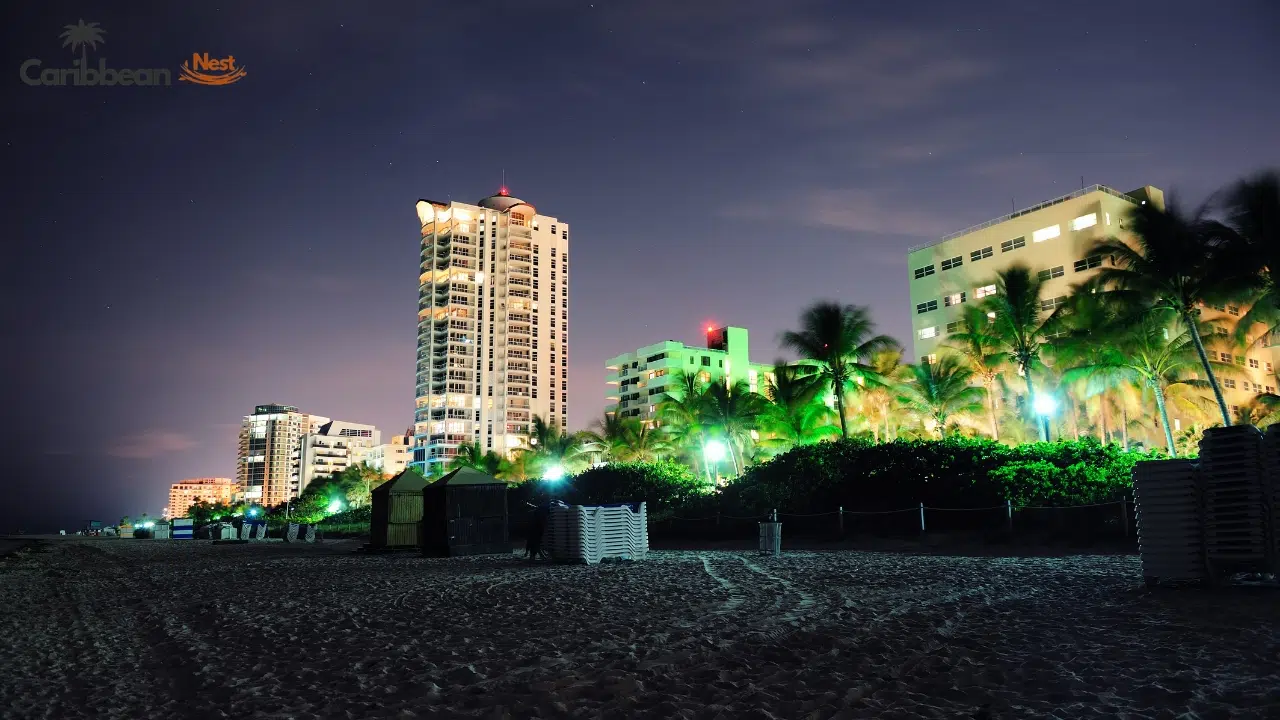
Check reviews carefully and compare maps. Avoid Curacao hotel mistakes, such as booking far from attractions. Staying closer to beaches like Grote Knip Beach or near the city ensures you enjoy local culture without wasting travel time. Proper research helps you pick the best Curaçao resorts and hotels for your style and budget.
Not Renting a Car Early
Curaçao’s attractions are spread out. Not booking a rental car early can limit your plans. Public transport is available but slow, and taxis are expensive. Renting a car early saves money and allows for flexible exploration.
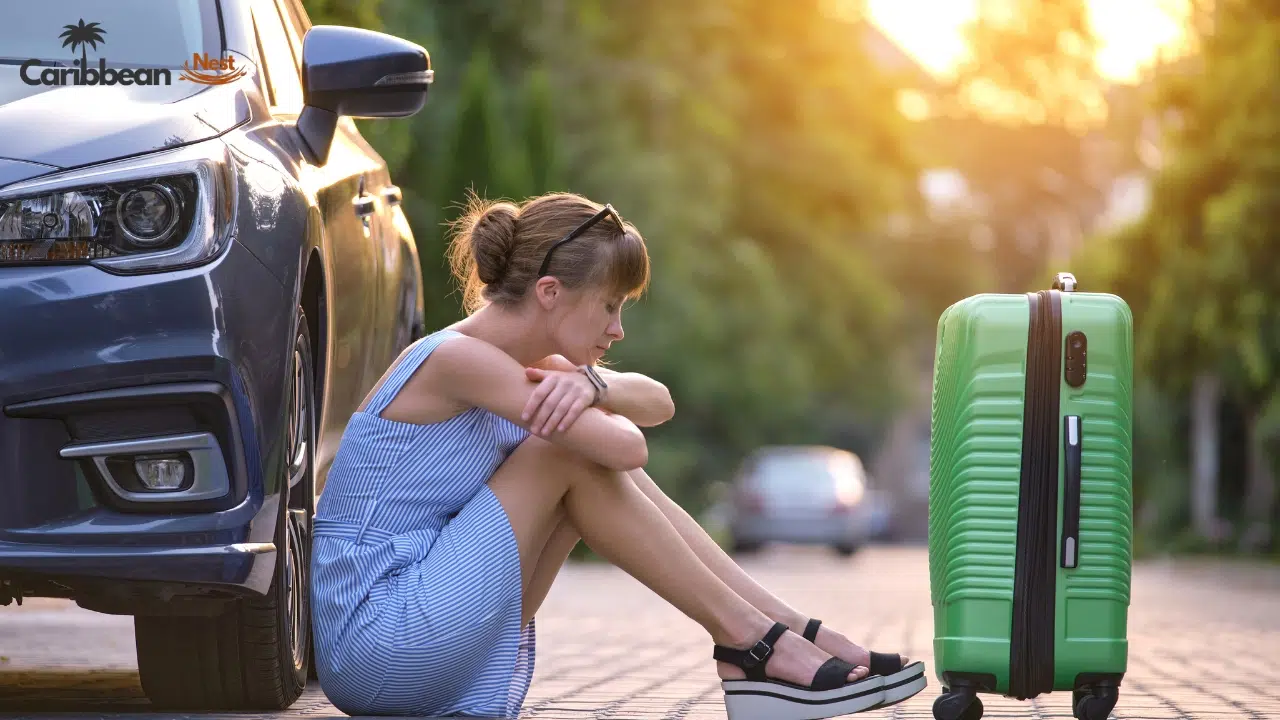
Plan your routes before arrival. Driving gives access to hidden gems like Shete Boka National Park and cliff-jumping at Playa Forti. Advanced booking avoids the high-season surge and ensures you can choose a comfortable car for island roads.
Only Staying at the Resort
Many visitors remain inside resorts and miss authentic experiences. Curaçao offers unique activities beyond hotel walls, such as snorkeling and a day trip to Klein Curaçao. Explore local markets and eat at traditional restaurants to fully enjoy the culture and cuisine.

Leaving the resort also lets you enjoy the top attractions in Willemstad, Curaçao. Walking the streets, visiting museums, and trying local foods give memories that a resort cannot replicate. Balance relaxation with adventure for a fulfilling trip.
Ignoring Hurricane & Weather Patterns
Though Curaçao lies outside the main hurricane belt, the hurricane season runs from June to November. Ignoring it may affect your plans, especially if booking outdoor activities. Check Curaçao weather year-round and forecasts for September or other months.
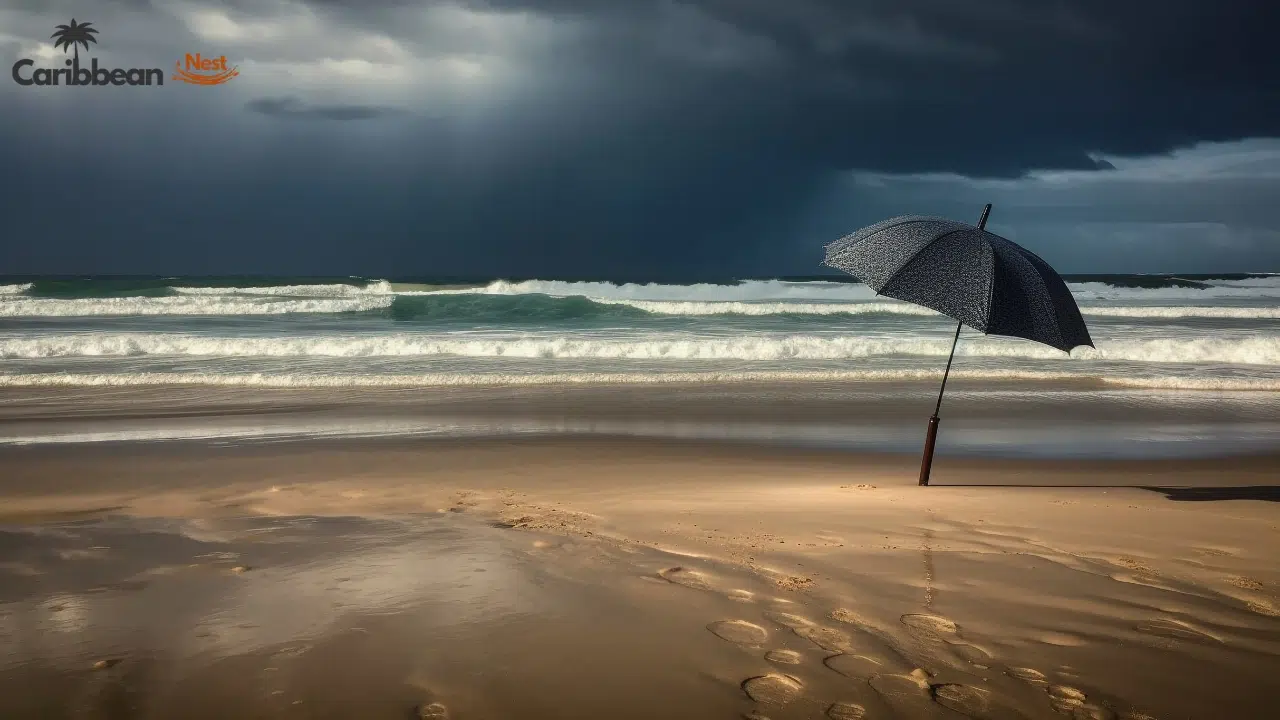
Understand the difference between Curaçao’s high season and low season. Peak months bring higher rates, crowds, and limited availability. The off-season might offer better prices, but it also includes unpredictable weather. A little planning avoids surprises.
Assuming All Beaches Are the Same
Each beach in Curaçao has its unique charm. Grote Knip Beach is perfect for sunbathing, while Playa Kalki is ideal for snorkeling. Top snorkeling spots in Curaçao vary, and not all hotels provide private access.
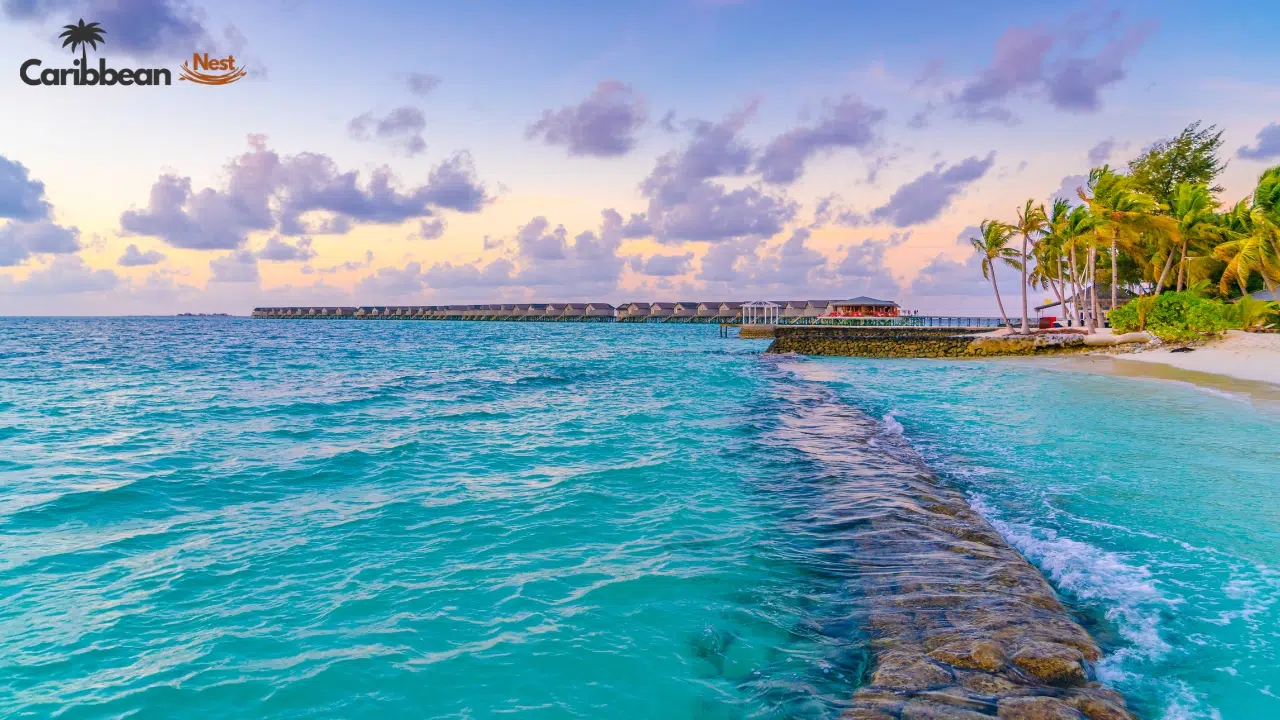
Exploring multiple beaches ensures diverse experiences. Some beaches require a short hike or a rental car. Knowing beaches near Willemstad helps save time. Avoid assuming one visit covers all the island’s beauty.
Not Carrying Local Currency (ANG)
While USD is widely accepted, can I use US dollars in Curaçao? often confuses travelers. Small vendors prefer the Netherlands Antillean Guilder (NAƒ). Not having cash may restrict shopping, tipping, and small local purchases.
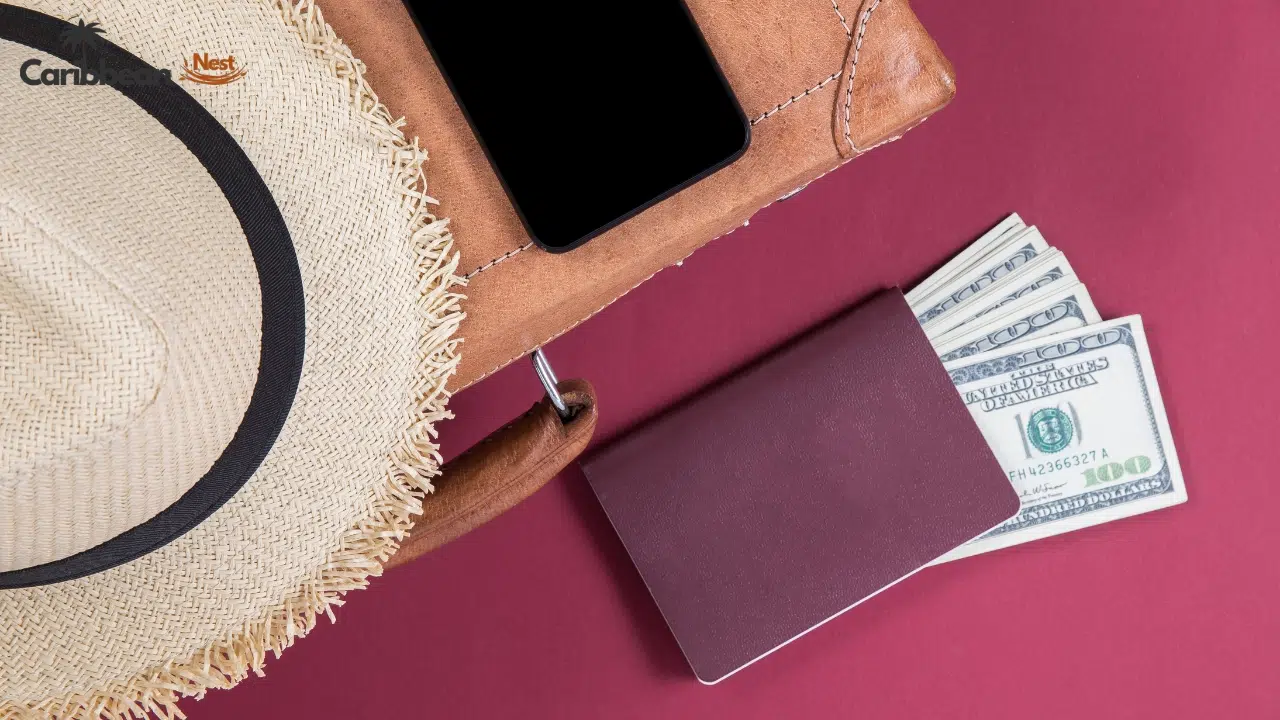
Plan ahead with Curaçao currency and cash tips. Carrying both cards and local cash ensures convenience. Many restaurants, taxis, and attractions only accept small bills, so preparation is key to avoiding stress.
Waiting Until the Last Minute to Book
Delaying bookings leads to higher prices and limited choices. Hotels and rental cars sell out quickly during peak months. Early booking offers better rates, access to ideal Curaçao resorts and hotels, and preferred car types.

Avoid Curacao hotel mistakes by reserving at least 2–3 months in advance. You’ll also get access to deals and promotions, making the trip smoother and cost-effective.
Overlooking Local Food & Culture
Curaçao has rich culinary and cultural traditions. Missing local food means missing part of the experience. Try dishes like keshi yena or fresh seafood and explore cultural landmarks in Willemstad, Curaçao.

Engaging with locals helps you find hidden gems. Markets, festivals, and artisanal shops offer authentic souvenirs. Understanding things to do in Curaçao beyond beaches enriches your trip.
Underestimating Sun & Heat
Curaçao’s tropical climate can be intense. Curaçao’s weather is sunny year-round, and prolonged exposure to UV rays can lead to sunburn or fatigue. Tourists often underestimate the heat, especially when exploring beaches or hiking.
Bring sun protection, hats, and hydration supplies. Scheduling outdoor activities in early mornings or late afternoons avoids extreme temperatures. Proper planning ensures safety while enjoying attractions such as Shete Boka National Park and the beach cliffs.
Conclusion
Avoiding these 17 Curacao travel mistakes ensures a smooth, memorable, and fun vacation. Plan ahead, respect local culture, and balance resort relaxation with adventure. Understanding Curaçao entry requirements for tourists, travel insurance for Curaçao, and local cash needs helps you stay worry-free. Explore beautiful beaches, try local foods, and dive into snorkeling in Curaçao, or take a day trip to Klein for experiences you’ll remember for years. Curaçao rewards travelers who plan smart and embrace its unique ABC islands (Aruba, Bonaire, Curaçao) culture and natural beauty.
Frequently Asked Questions
1) What should you avoid in Curaçao?
Avoid carrying too much cash, visiting unsafe areas at night, and skipping the Curaçao DI Card or local travel rules.
2) What are the downsides of Curaçao?
High costs at some resorts, Curaçao weather in September, and occasional construction noise near hotels.
3) What should I know before going to Curaçao?
Know Curaçao entry requirements for tourists, local currency tips, and key attractions in Willemstad, Curaçao.
4) Is it safe for US citizens to travel to Curaçao right now?
Yes, Curaçao is safe to visit, but normal precautions for petty crime are advised.
5) What is the safest Caribbean island right now?
The ABC islands (Aruba, Bonaire, Curaçao) are among the safest, with tourist-friendly infrastructure and low crime rates.


